 Centennial Chapel, Olivet Nazarene University" />
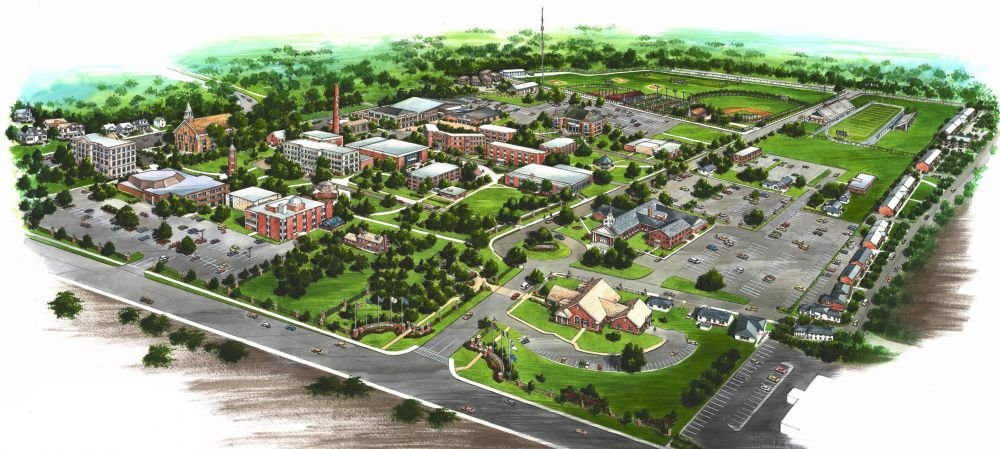
Conceived as a place for all students, faculty and staff of Olivet Nazarene University to come together, the Betty and Kenneth Hawkins Centennial Chapel has become that and much more. This new chapel has become the heartbeat of one of the nation’s premier Christian universities.
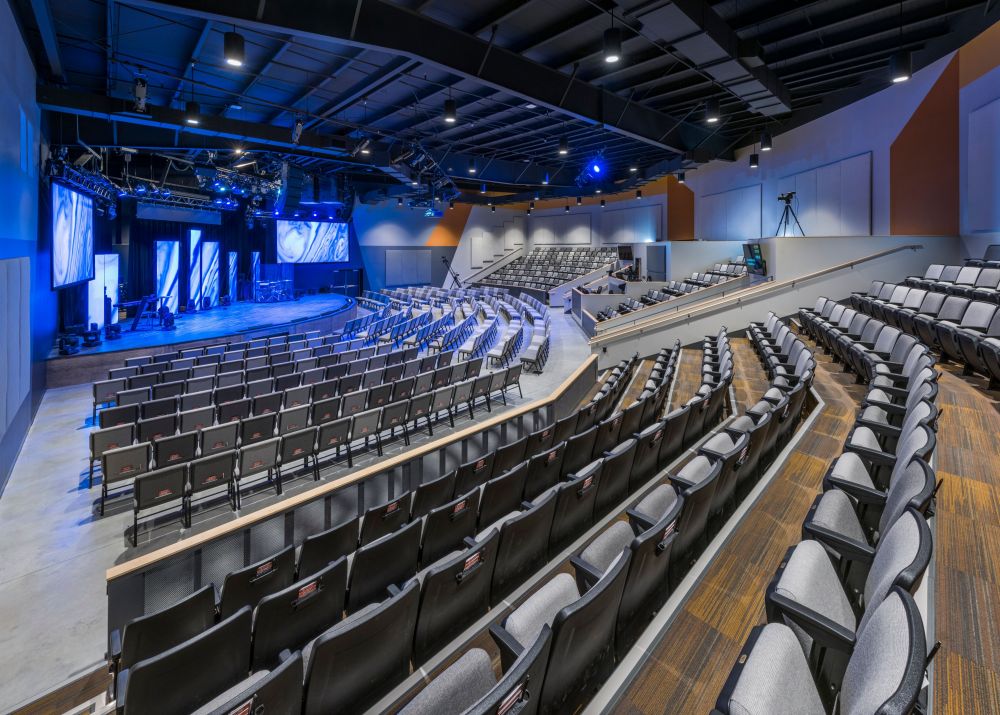
The multi-purpose venue provides a place for all students, faculty and staff to come together and worship in one place. Amidst a bustling campus it is a sacred place that is inspiring and supports the spiritual life of the campus community. At the same time, it accommodates with excellence a wide range of worship and performance activities and has become an outreach tool for the larger community outside the ONU campus.
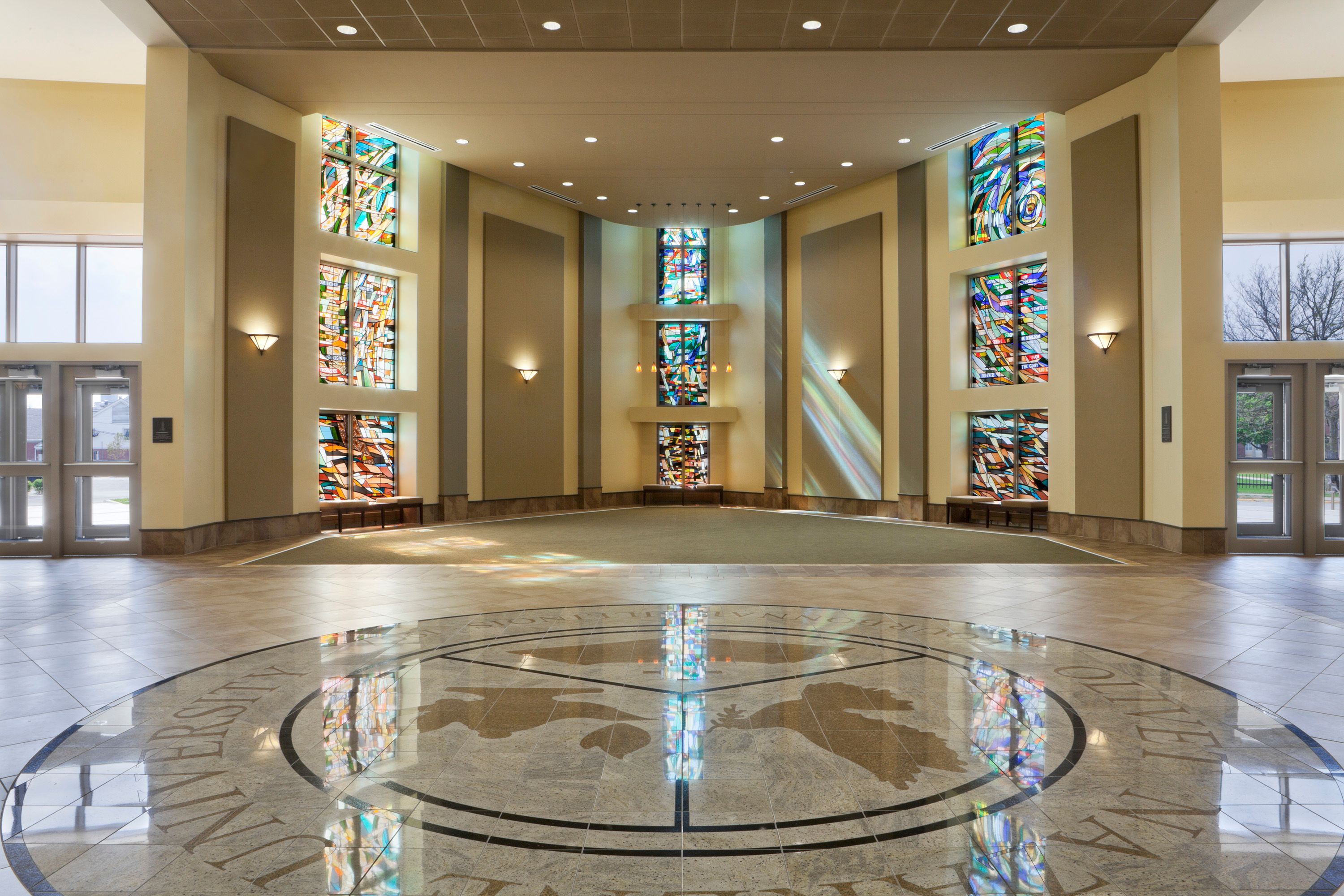
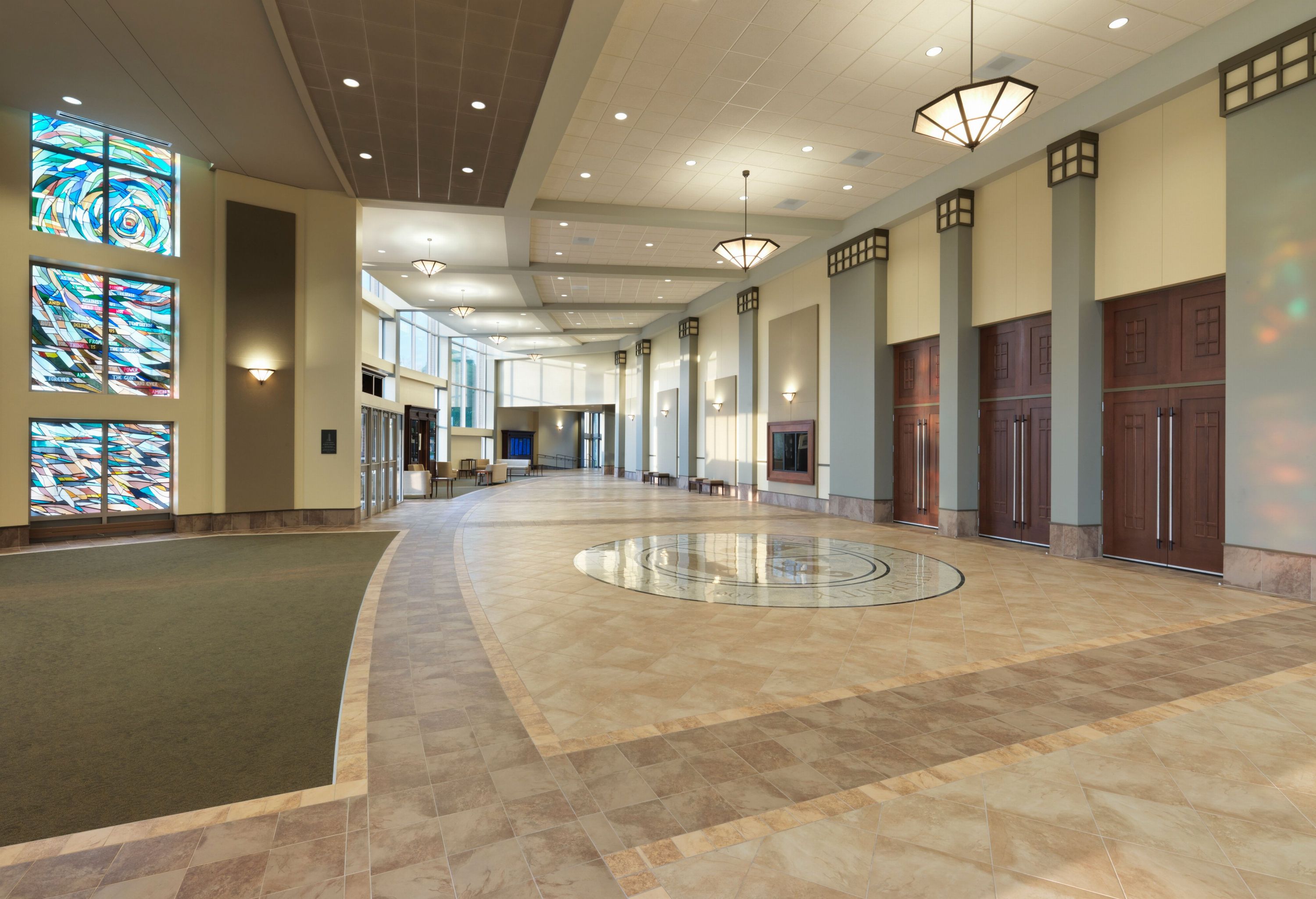
The 10,000 square foot lobby-gathering space is designed to be multi-purpose and is used for receptions, presentations, conferences, and dining. The lobby-gathering space is filled with natural light during the day and provides attendees a sense of warmth as they enter the space.
How can the need for student chapel space and the acoustic requirements for the full range of musical performative art be captured in one space while maintaining the look and feel of a church?
We created a world-class performance venu that can accommodate the needs of ONU as well as be an amenity to outside entities and allow the university to open her arms of hospitality to a broader audience.
- 75,000 s.f church
- 3080 seat auditorium
- 10,000 s.f. lobby space
- Solomon Awards Winner 2012
- State-of-the art performance space
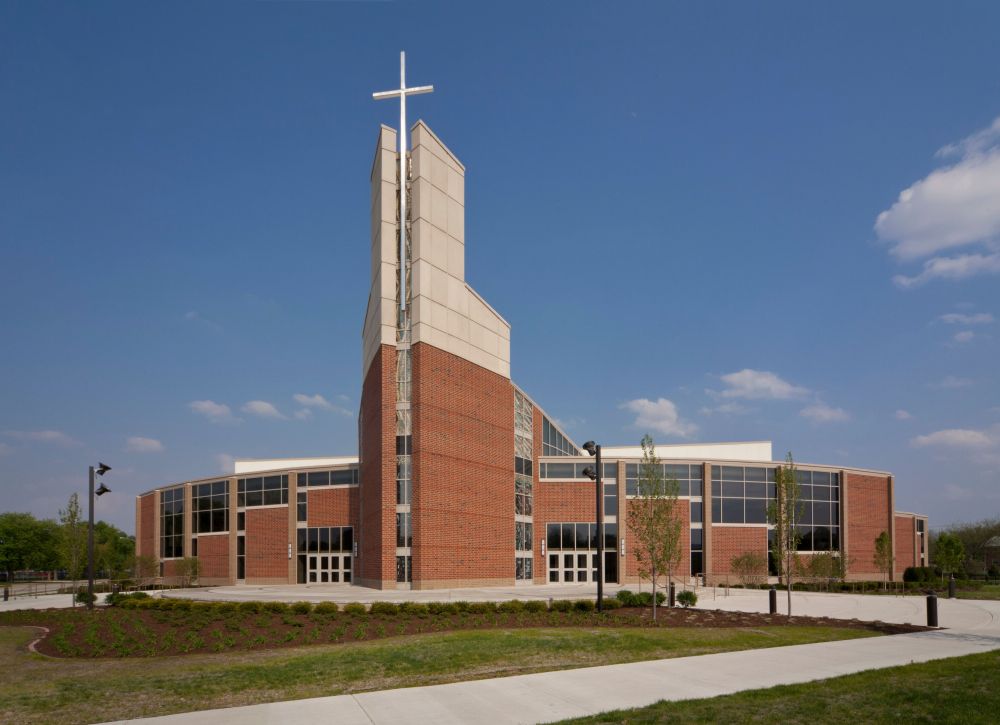
The design of the exterior and interior is a reinterpretation of the elements of the classical church form. Like many churches built in the past, the chapel at ONU is the centerpiece of the college community. Not just a place of worship, the new chapel is a multi-functional performing arts center that is a meeting place for the entire community. This design reinterpretation is necessary to meld the traditions of the church of the past with the functional needs of the modern church.
The two intersecting ovals that form the lobby and gathering space are a new rendition of the classical “crucifix” form. The stepped elements of the exterior façade create visual upward movement culminating in the tower cross which can be seen from all parts of the campus.
The building location and orientation is a convergence of pedestrian movement on campus. A large “piazza” like space is created at the main entrance to form an area where public performances and presentations can take place. The prominent location provides evidence that worship is a priority for this campus.
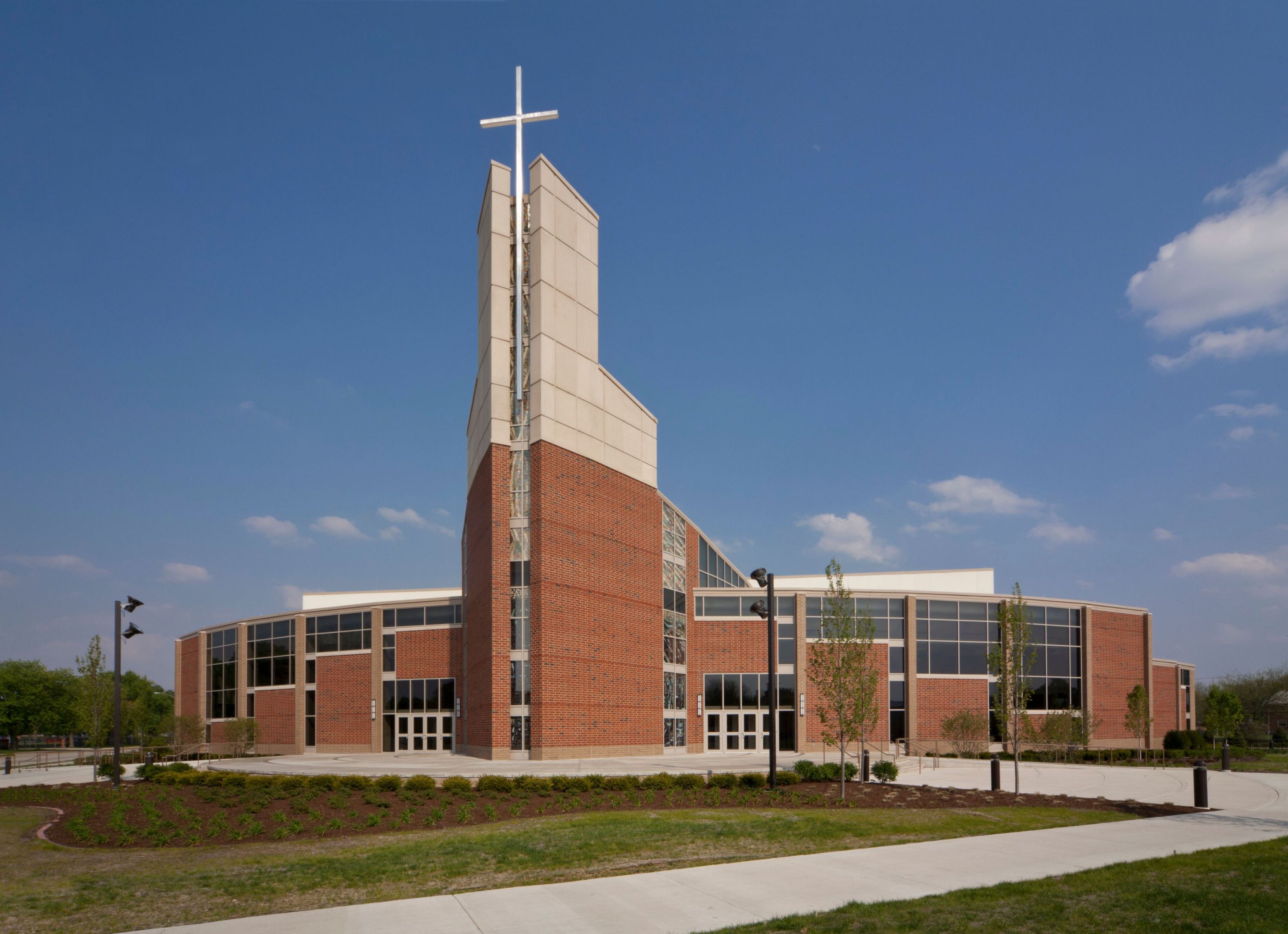
Soft curved lines can be found as a design feature in the exterior facade, the auditorium ceiling, the shaping of the 100-foot tower, the lines in the 80-foot stain glass window and the organ’s facade.
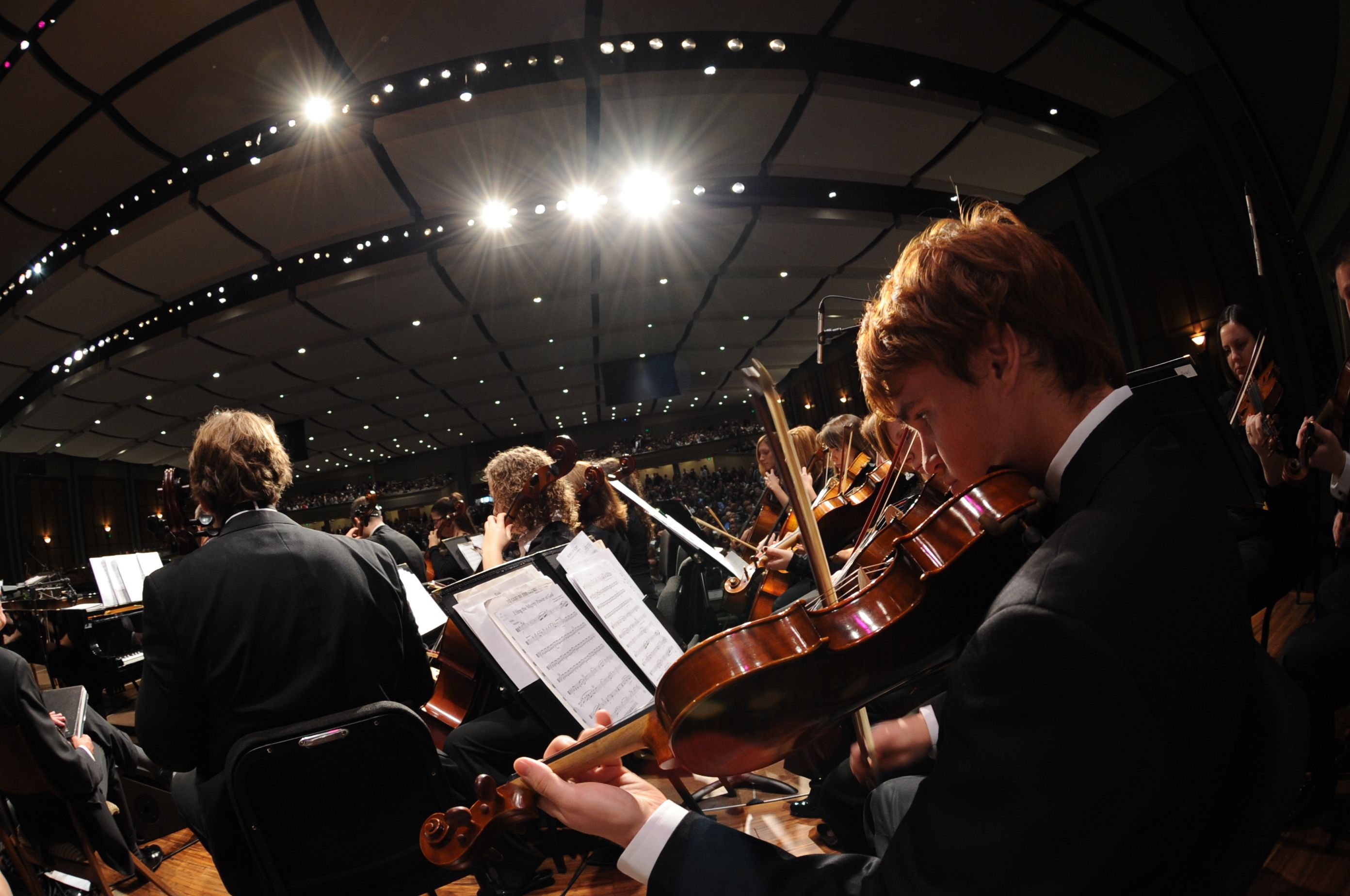
from a single performer or speaker on stage, small praise bands, to a 150-person choir and full orchestra, including a 125 rank organ that one would expect to find in the finest cathedrals and churches through Europe and America. The auditorium is “tuned” acoustically through material shaping and material treatment to accommodate these wide-ranging program requirements.
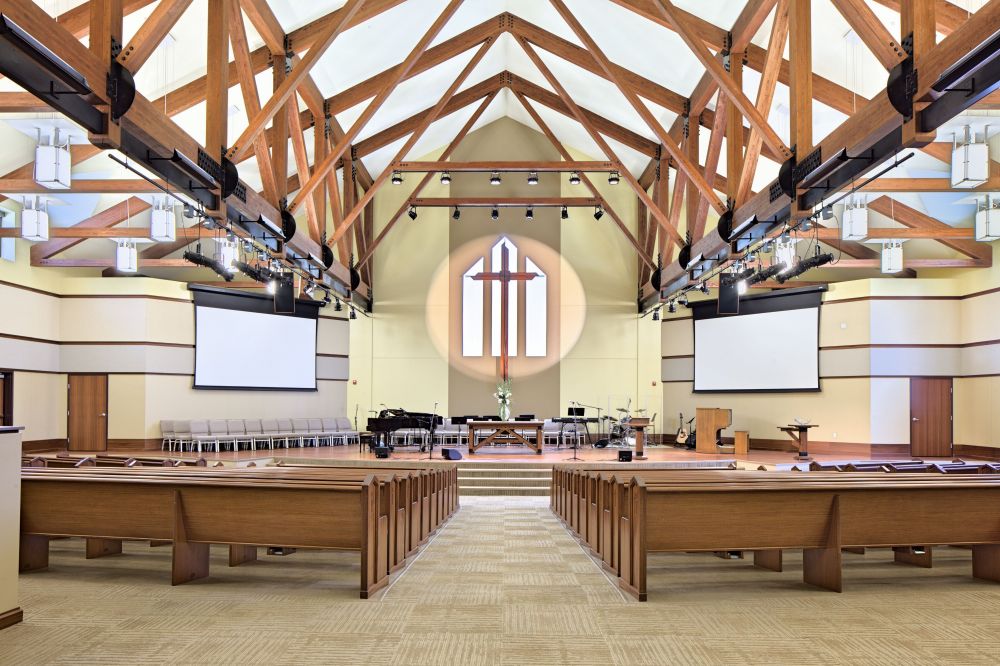
Geneseo First United Methodist Church asked BLDD to develop a master plan for its downtown location, which is adjacent to a residential area and the City Center. This challenging site included multiple city blocks and required building additions and renovations. In order to accomplish these goals, a phased master plan was created. This plan supports growth in all church ministry areas including: worship, gathering and christian education space for all age groups.
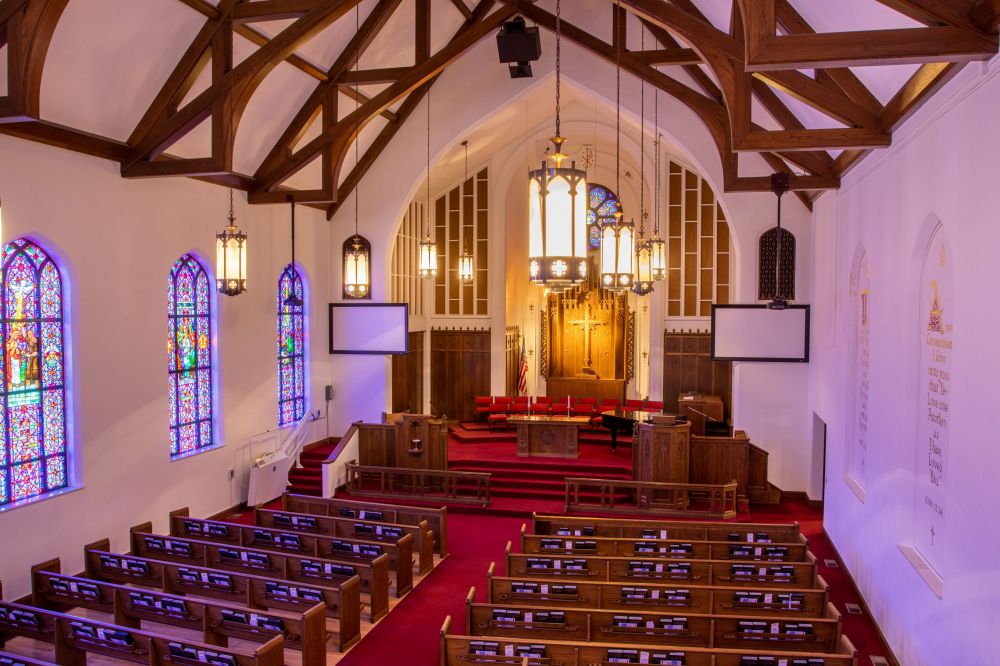
Built in 1925, the historic First United Methodist Church of Lincoln, IL, was renovated to restore their aging facilities and add a new accessible entryway and lobby. The new main lobby welcomes visitors with an open and inviting atmosphere that uses the exterior walls of the previous courtyard to blend the historic with the modern design.
A growing church in Bloomington, Illinois wanted to create a "safe place to explore faith." BLDD worked with Vale Church to develop a long-term plan for the future. The first step of the plan involved 29,000 s.f. and includes a modern worship space, classrooms for Christian Education, and a large gathering space. The bright and inviting gathering space helps to create a sense of belonging and acceptance to visitors and attendees. As the church grows within the community, the master plan allows for future expansion up to 100,000 s.f.