BLDD served as Architect of Record for the University of Illinois' first newly constructed residence hall in approximately 30 years. The four-story 58,000 s.f. facility houses 152 residents and offers lounge and study rooms on each floor. It features a connecting link to the Student Dining and Resident Programs facility.
The most unique feature of the dormitory is the accommodation of the Beckwith Residential Support Services. BRSS provides support for first floor residents of Nugent Hall with physical disabilities who require assistance in the performance of basic activities of daily living. Safety and accessibility of the entire facility was carefully considered. The navigation of the dormitory for the BRSS residents is virtually hands-free.
The facility is LEED-certified: LEED Silver® and uses features such as a vegetated roof and recycled building products. It will consume substantially less energy and water than other older dormitories.
- 58,000 s.f.
- 152 residents
- Lounge and study room spaces
- Accommodates the Beckwith Residential Support Services for residents with disabilities
Accommodates the Beckwith Residential Support Services for first floor residents of Nugent Hall with physical disabilities
Rooms in the BRSS offer a state-of-the-art overhead track and lift system to allow the students mobility within their room and bathroom without the use of wheelchairs.
The navigation of the dormitory for the BRSS residents is virtually hands-free.
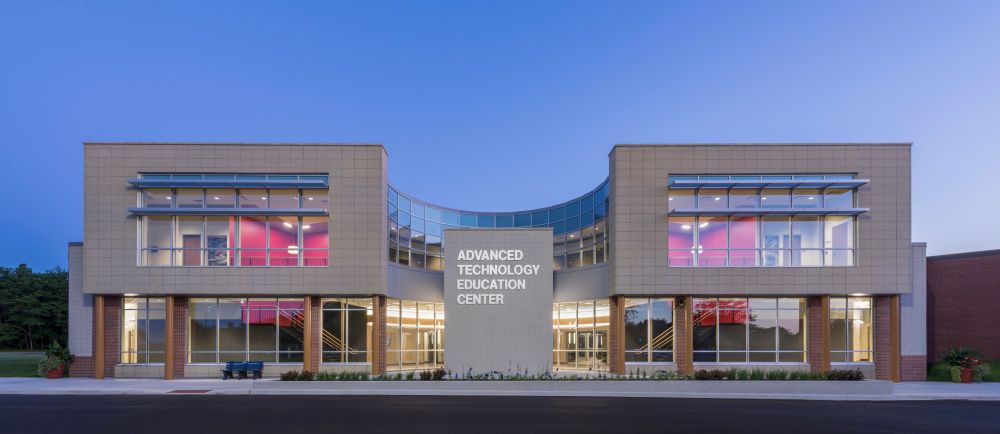
The Advanced Technology Education Center at Kankakee Community College provides advanced training in emerging energy technologies and industries.
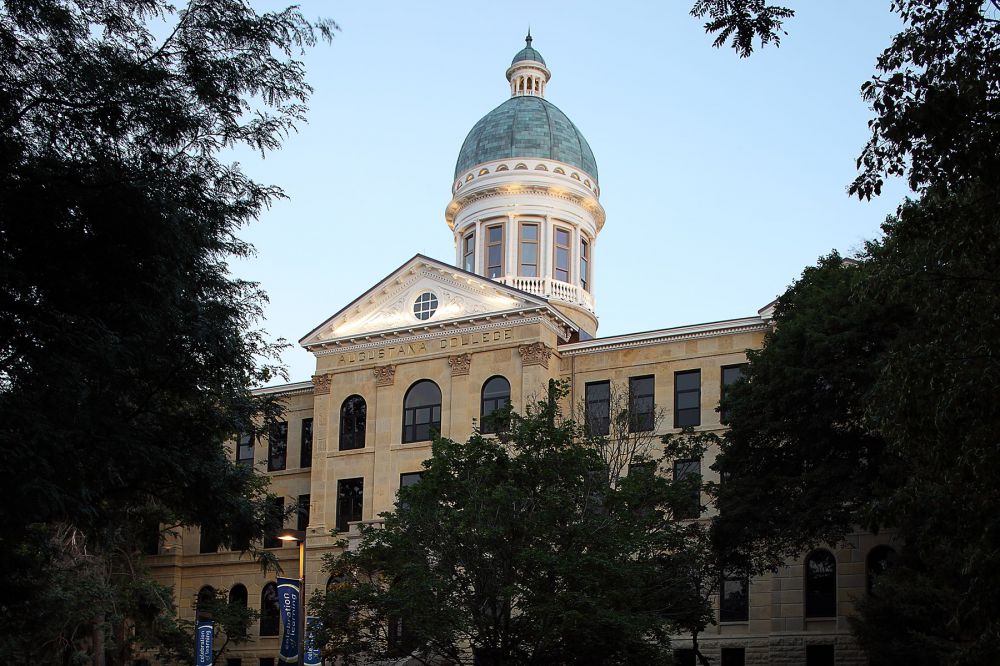
Listed on the National Register of Historic Places, Old Main is not only an icon on Augustana College’s Rock Island campus, but it's also home to Liberal Arts department, classrooms, and office spaces.

The University of Illinois Alumni Association selected BLDD to design a new alumni center for the Urbana-Champaign campus. Public areas include a reception gallery, library, lounge and great room, student areas, and banquet facilities for up to 224 guests.