As the Iowa City Community School District grappled with the challenges of rapid enrollment growth, aging facilities, equity concerns, and a desire for future-focused learning environments, they turned to the BLDD/Unicom•ARC team. The mission: conduct a comprehensive community engagement planning process to shape a long-term facilities master plan.
The resulting "ONE VISION" facilities master planning process brought the community together to create a transformative 10-year roadmap. This plan will serve as the district's guiding light for facilities decision-making, shaping a brighter future for generations of students.
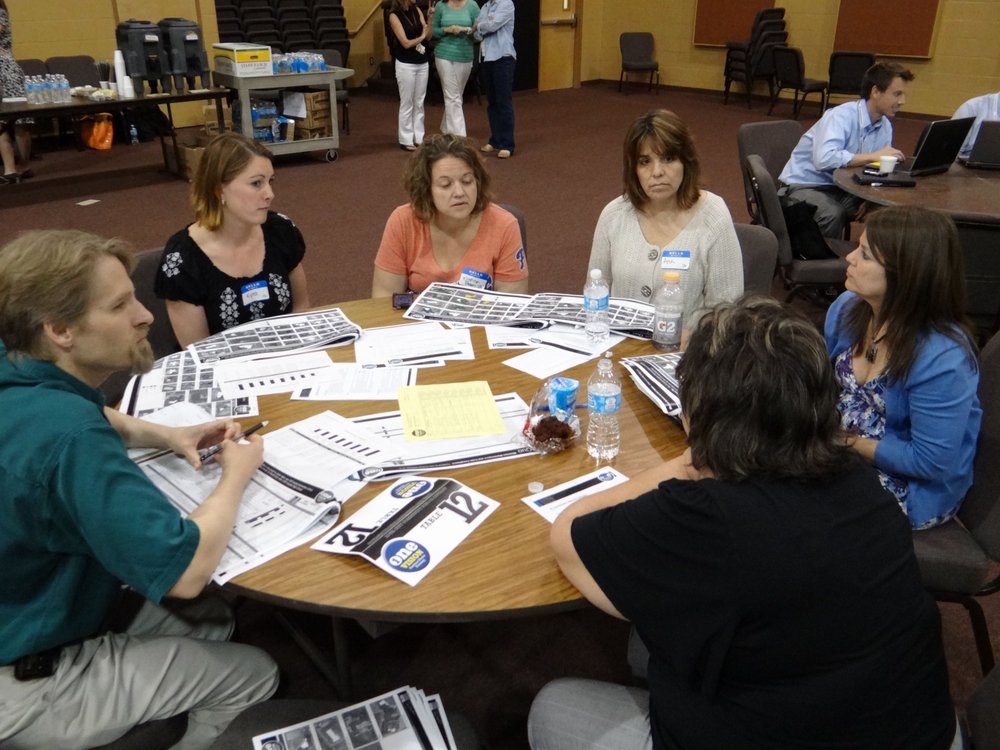
The district faced a myriad of challenges that threatened to impede progress. With 27 facilities spread across 5 competitive communities, aging infrastructures cried out for renewal. Decades of mistrust stemming from past planning missteps hung over the community, fueling high expectations for change. At the same time, rapid enrollment growth strained already inequitable facilities, while safety concerns loomed large. Amidst this complex landscape, the need for a unifying, future-focused plan had never been more urgent.
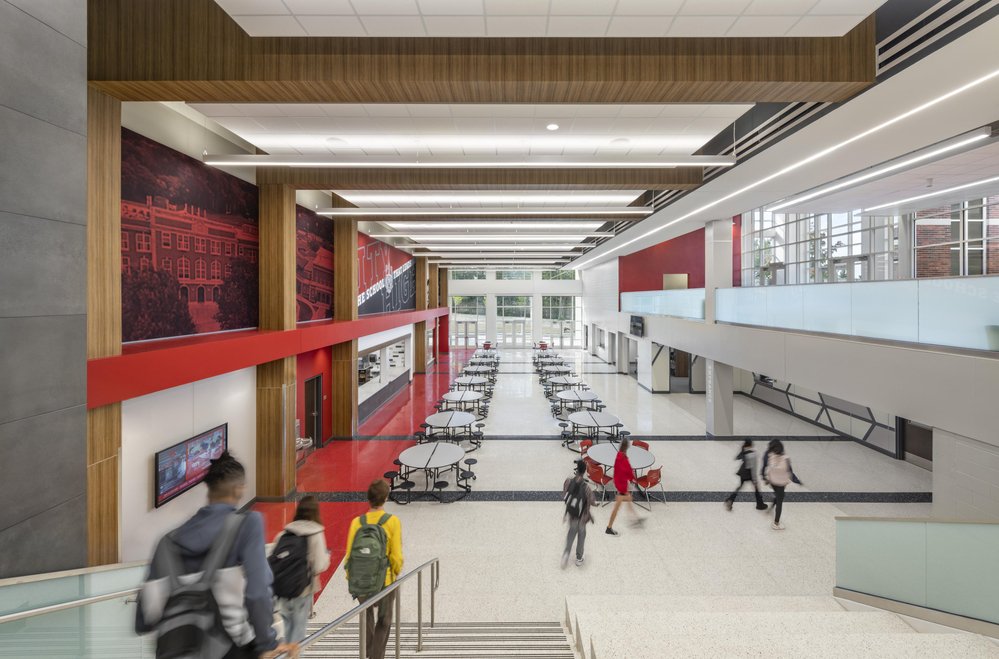
The collaborative planning process laid the foundation for a resoundingly successful $200 million bond referendum, securing vital funds for the district's future."
A citizens’ led community engagement planning process was undertaken. Citizens brainstormed three different “big picture” approaches: consider expanding existing facilities; consider reconfiguring existing grade level configurations, and consider changing the existing mix of elementary, junior high, and high school facilities.
Examples of proposed solutions:
- Future-focused upgrades and security upgrades to all facilities
- Various combinations of new elementary and junior high facilities and retired elementary facilities
- Historic renovations of elementary facilities
- Change high school configurations
- Build third high school
- Build additions to existing high schools
- Build additions and move 9th grade to middle schools, make high schools 10-12
All approaches were modeled using our cost-benefit analysis software (QLEO) to determine the best plan for moving forward.
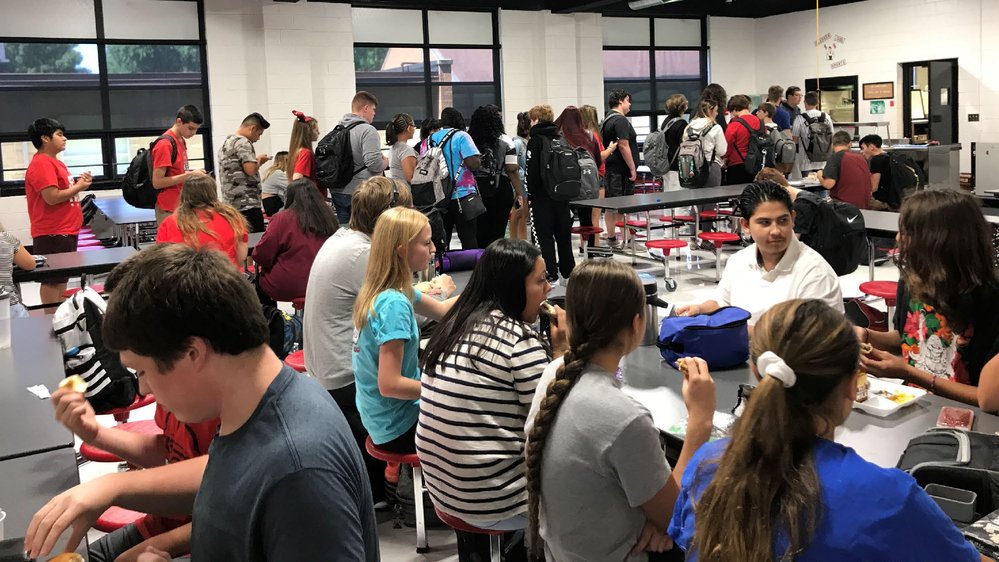
Bradley-Bourbonnais Community High School (BBCHS) has been a cornerstone of the Bradley, Bourbonnais, and St. George communities for over 70 years. Built in 1948 to serve 300 students, the campus now supports nearly 2,000 students in grades 9–12. While the District maintained its facilities well, aging infrastructure and evolving educational needs created significant challenges.
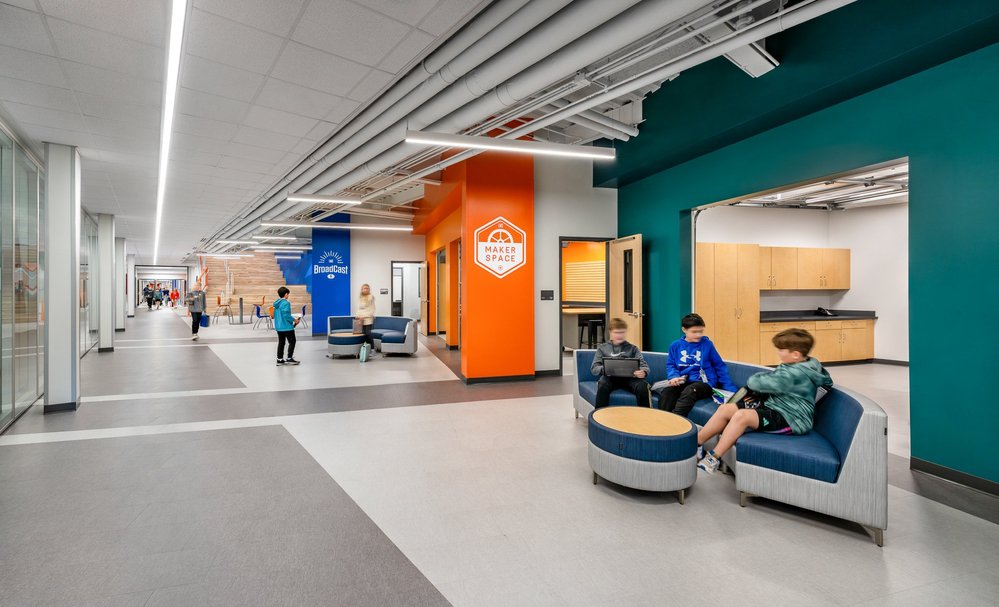
Through a $100 million bond referendum, the Edwardsville School District can provide 21st century learning environments throughout their facilities.
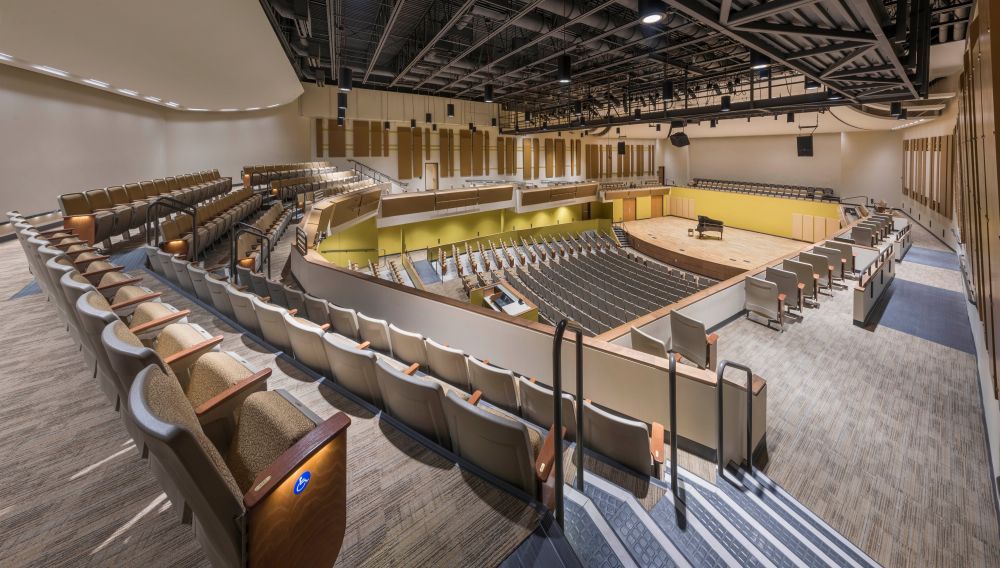
Through renovations and an addition to a 1950s-era building on a tight city footprint, an engaging, innovative and inviting high school, focused on providing modern facilities to support digital learning, academic achievement and fine arts and athletic excellence was developed. While the student population was highly achieving, the existing school did not reflect the student merit.