The Kidzeum of Health and Science is a three-story, 25,000 sf facility located in the nationally registered, historic buildings at 412, 414 and 416 East Adams Street in the Illinois capitol, Springfield. The Kidzeum of Health and Science is designed with a focus on fun and learning and is dedicated to teaching children of all abilities about health and science through discovery and play.
- Two-Story, 40 Foot Human Body Interactive
- Over 100 Interactive Exhibits
- Designed to meet the needs of all children, including those with physical and mental disabilities
The Kidzeum combines architecture with an incredible exhibit experience: a two-story, 40-foot interactive exploration of the human body. This exhibit allows children to climb in, through and around to learn about the human body.
The facility is designed to create a fun and exciting environment that features hands-on exhibits and interactive programs. The building is designed to meet the needs of all children, including those with physical and mental disabilities. The Kidzeum is committed to nurturing health and wellness, promoting science education and careers, and developing environmental and global awareness through innovative programs and exhibits. The primary exhibit themes are: Healthy Body, Healthy Community, and Healthy Earth. Over 100 hundred interactive engagements allow young visitors to explore the wonders of the human body.
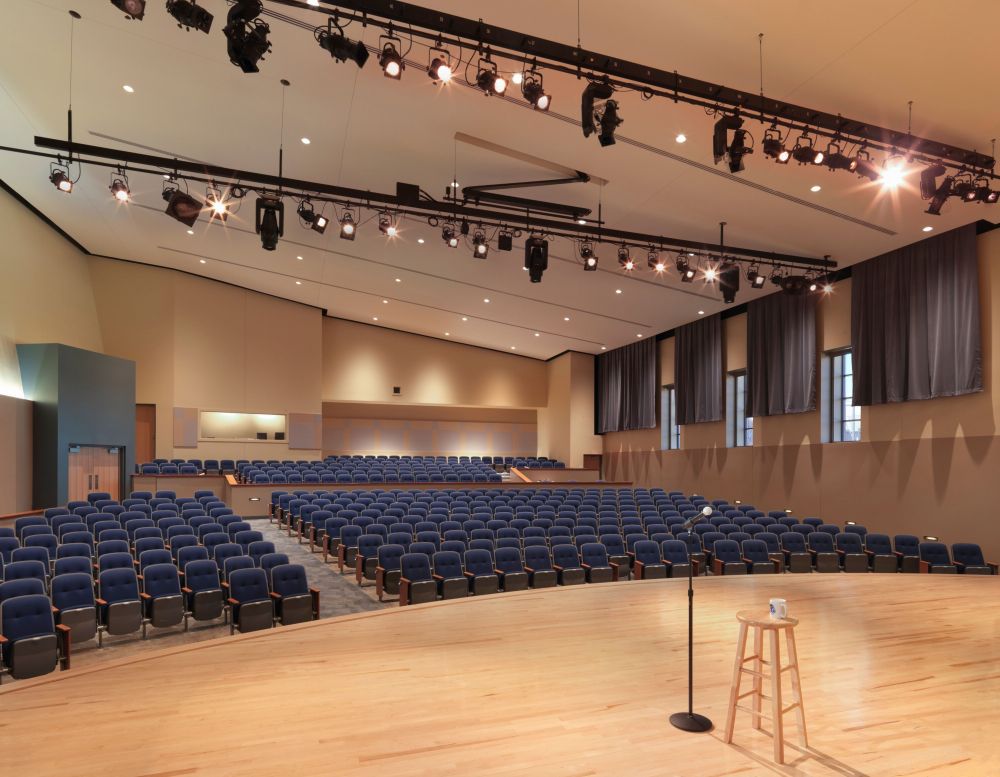
The Community Education Center at Heartland Community College is a 36,000 s.f. multi-purpose auditorium building. The facility includes a 434-seat auditorium that accommodates speech, choral, and musical presentations. Reconfigurable breakout spaces provide numerous possibilities for various size meetings. The facility also houses the Challenger Learning Center, an exploratory, space themed, learning program for children of all ages.
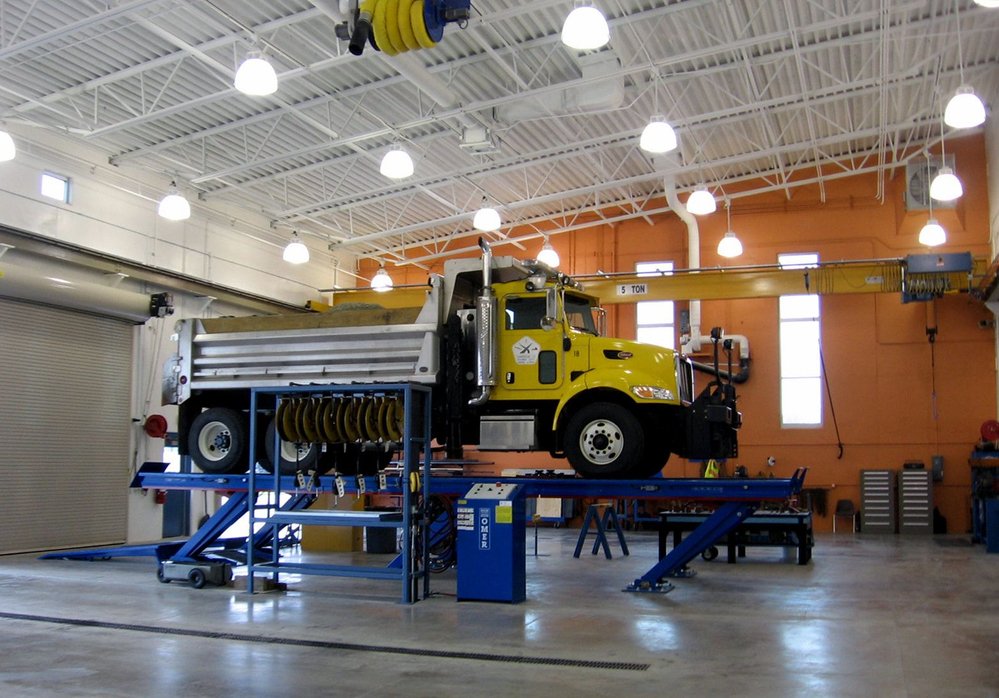
The facility is designed to house the County’s Engineering Department and Highway Department under one structure. It interconnects four major functions: the Engineering Department’s offices and public meeting room, the Highway Department’s crew areas - including locker rooms and a break room, the Highway Department’s enclosed vehicle storage, and a vehicle maintenance area to serve the County’s fleet.
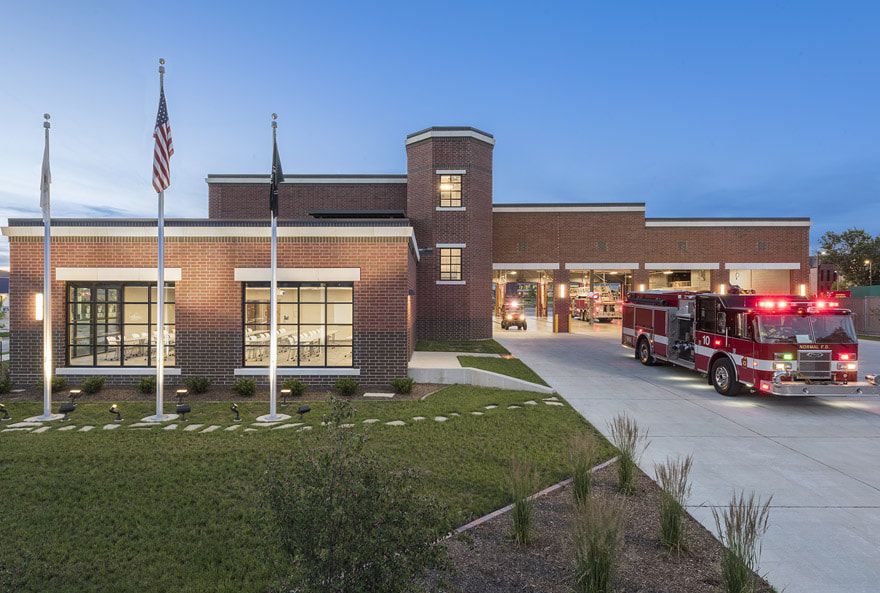
The new Normal Fire Department Headquarters station is a two-story, 25,000 square foot, LEED Certified facility that features four drive-through apparatus bays, a full training center, and a commercial kitchen.