 Okaw Valley Agricultural Complex" />
While agriculture education is nothing new, a dedicated facility that can house livestock on a rural campus in the Midwest is a surprising anomaly. The Agricultural Complex is the only one in Illinois — and one of a handful in the United States.
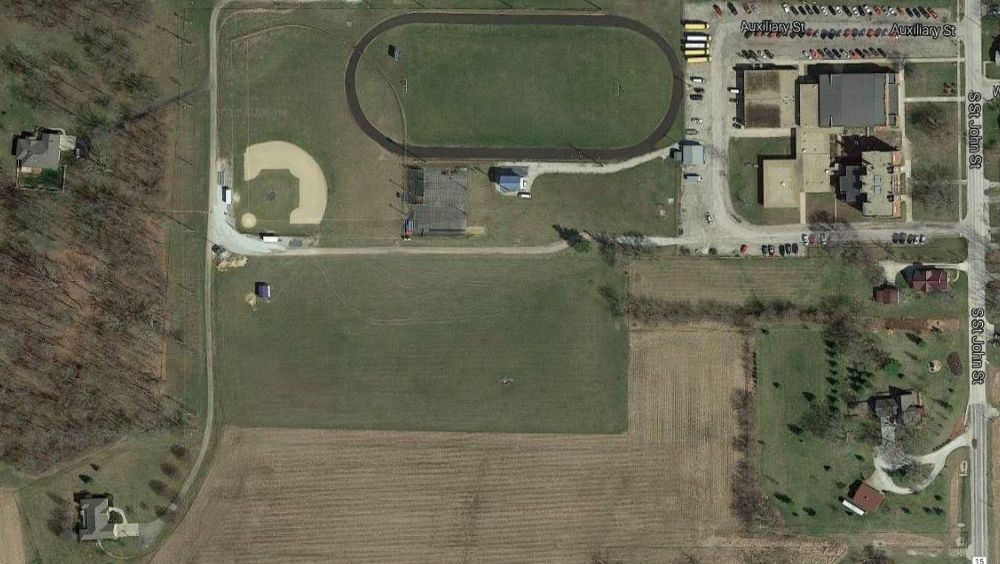
With an already thriving program, the planning of the facility and its location needed to be tightly knit into other district programs, such as athletics and general education. A key consideration was also the ability to expand program offerings in the future, through enlarged facilities and features which could include on-site gardens, crops or additional livestock support.
How do we provide future farmers and agribusiness leaders access to the tools, resources, and flexibility they need?
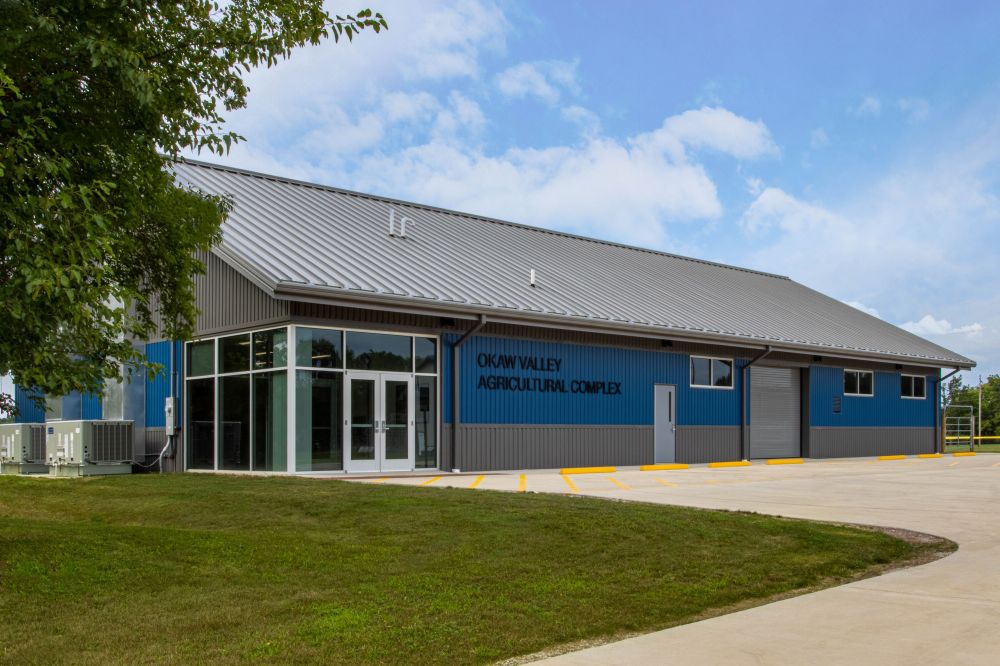
The complex offers a flexible design that is intentionally minimal, budget-friendly and ideal for future-ready, hands-on learning. A livestock chute in the lab allows animals to be held for vaccinations, tagging, health inspections, general hygiene and care.
The animal ward offers a flexible design that allows students easy access to the lab and outdoor areas. The design features a built-in watering system, unfinished floors, high ceilings and sliding barn doors.
- 5,296 s.f
- Designed for Program Expansion
- Flexible Furnishings
- Lab Spaces
- Award of Distinction, Exhibition of Educational Environments: IASB/IASA/IASBO 2019 Conference
"I have been able to expand what and how I teach because of this structure. I have the resources I need right here, so I can teach more efficiently and more effectively."
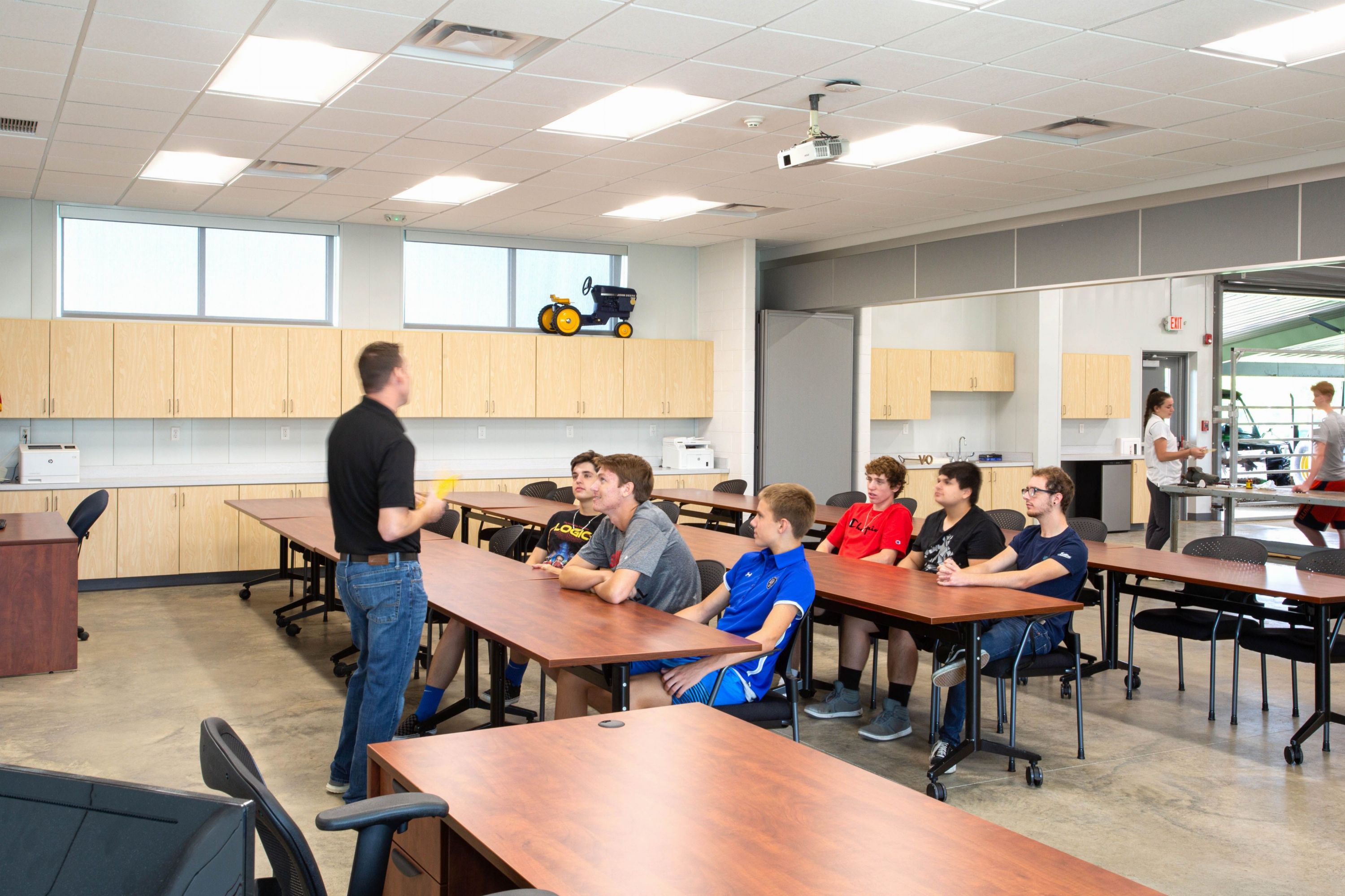
Primed for future expansion, the design offers ample lecture, lab, storage and livestock housing space to accommodate a thriving agriculture program.
Features such as an operable partition between the lecture and lab spaces, a clear, open lab that can be washed down, and mobile furniture offer another level of flexibility for the building to evolve with the program.
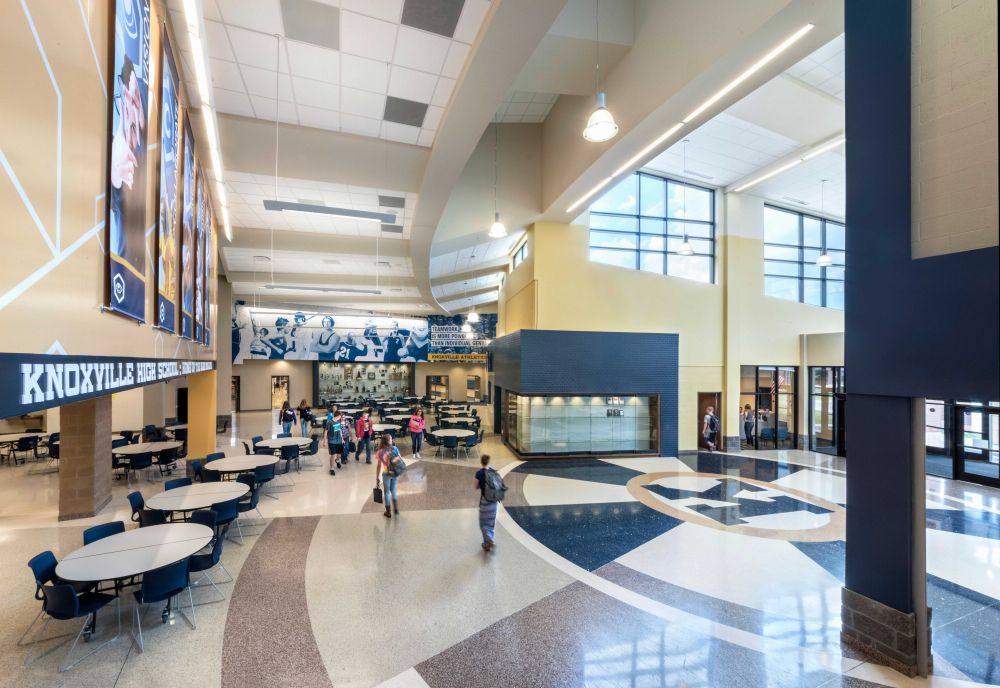
The design for the Knoxville High School began with visioning workshops to determine the desired educational practices and programs. After understanding the variety of learning environments recommended to meet the needs of 21st century curriculum and instruction, BLDD's task was to group these learning environments into a cohesive organization that facilitates a seamless delivery of the educational program.
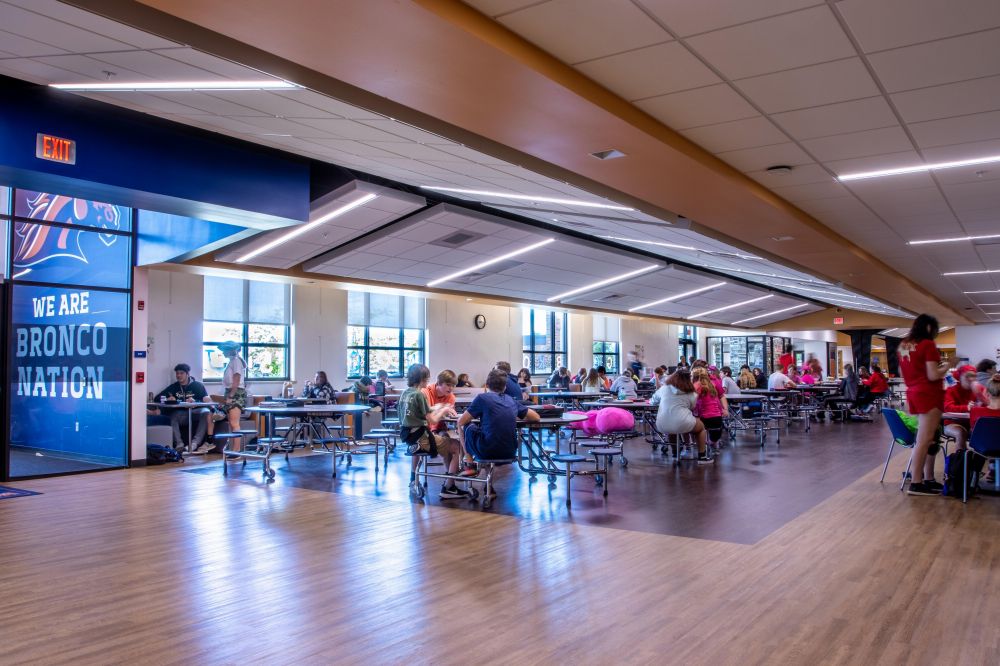
Cerro Gordo CUSD #100 was facing outdated facilities, overcrowding, and needed some serious security updates. To solve these problems, this district was renovated to include a connecting addition to the original 1929 three-story HS building and the 1963 cafeteria/gymnasium building.
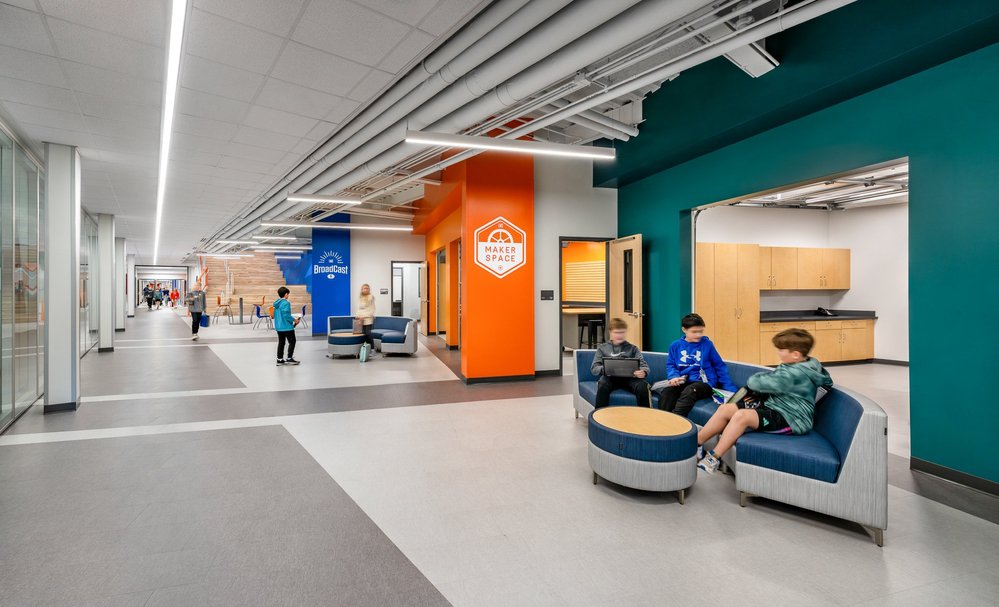
Through a $100 million bond referendum, the Edwardsville School District can provide 21st century learning environments throughout their facilities.