A new Elementary School has been built to replace the outdated, non-functional, and rigid elementary spaces previously housed at Lincoln (3-5) and Washington (PK-2). The unified PK-5 facility implements best-practice education design in an approximately 65,000 s.f. building, creating 15%-20% square footage efficiencies for the district.
The building is divided into two main zones. The first comprises public and shared use areas, including the administrative office, art rooms, food service, commons, and gym on the first level. The second floor features a secondary administrative area near the 3-5 classrooms, as well as music, library/media center, and STEM areas.
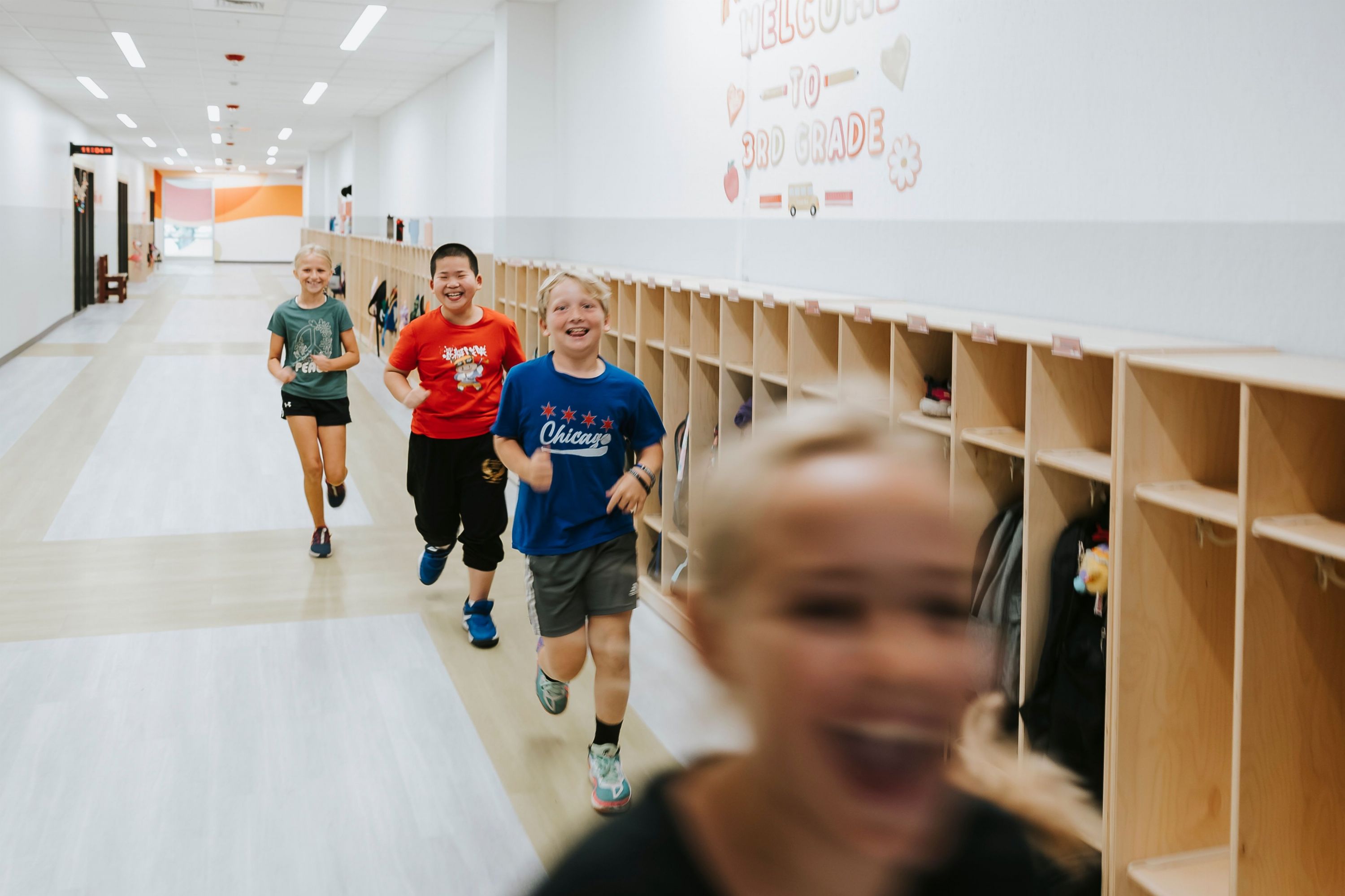
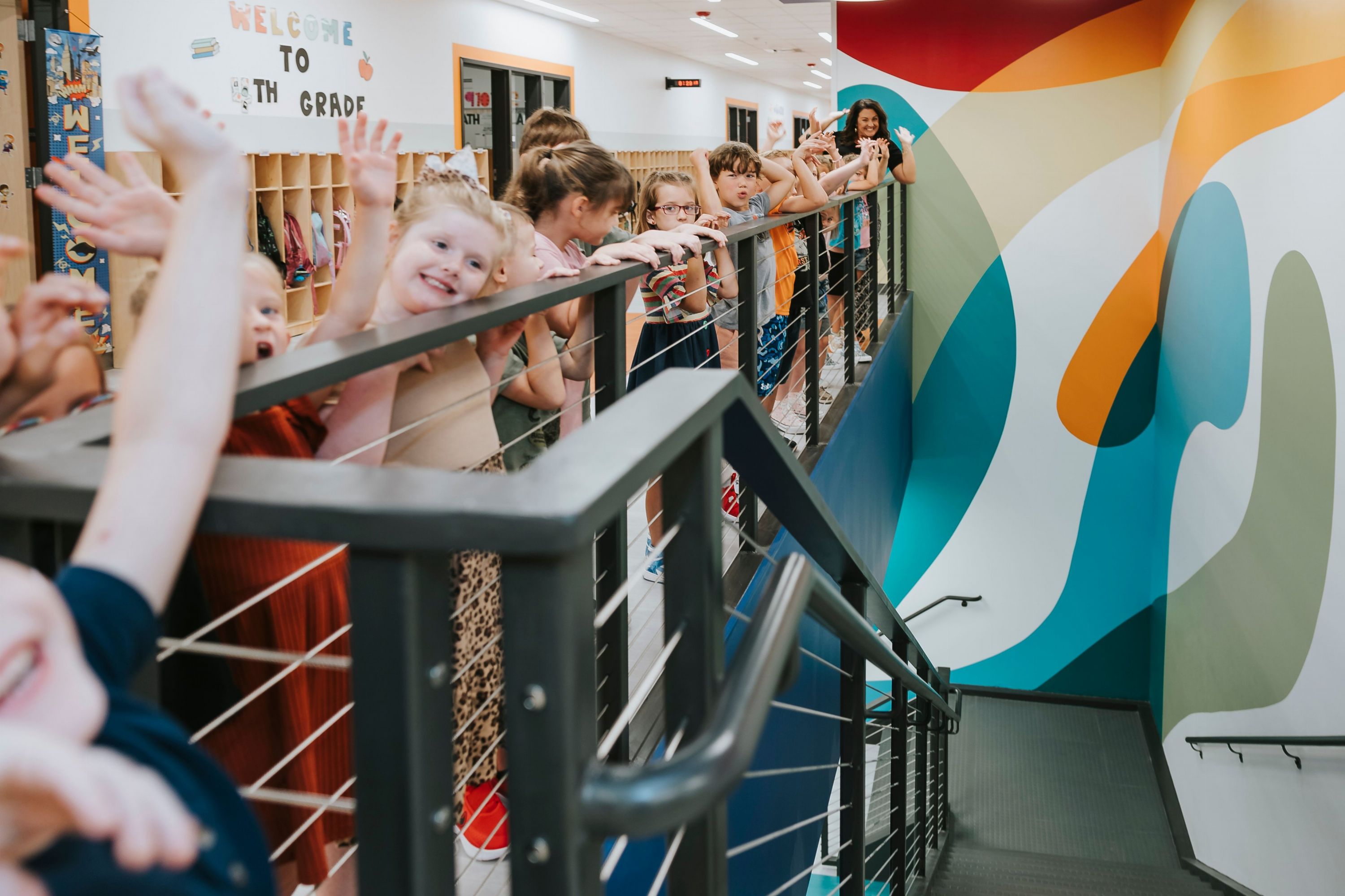
The educational zone is organized with PK-2 classrooms on the first floor and 3rd-5th grades on the second floor. K-2 and 3-5 classrooms are conveniently located around the East, South, and West sides of the central gym, providing quick access to and from that area.
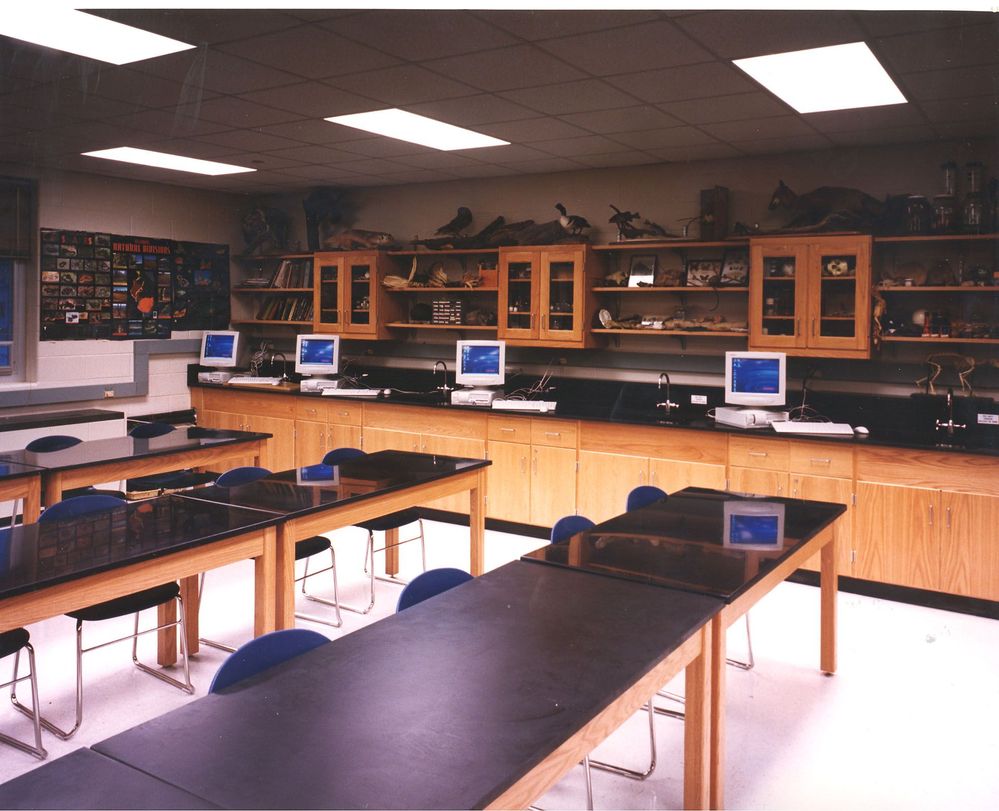
The outdated and non-functional buildings of Pana's Lincoln Elementary (3-5) and Washington Elementary (PK-2) were a roadblock to the growth of the educational program.
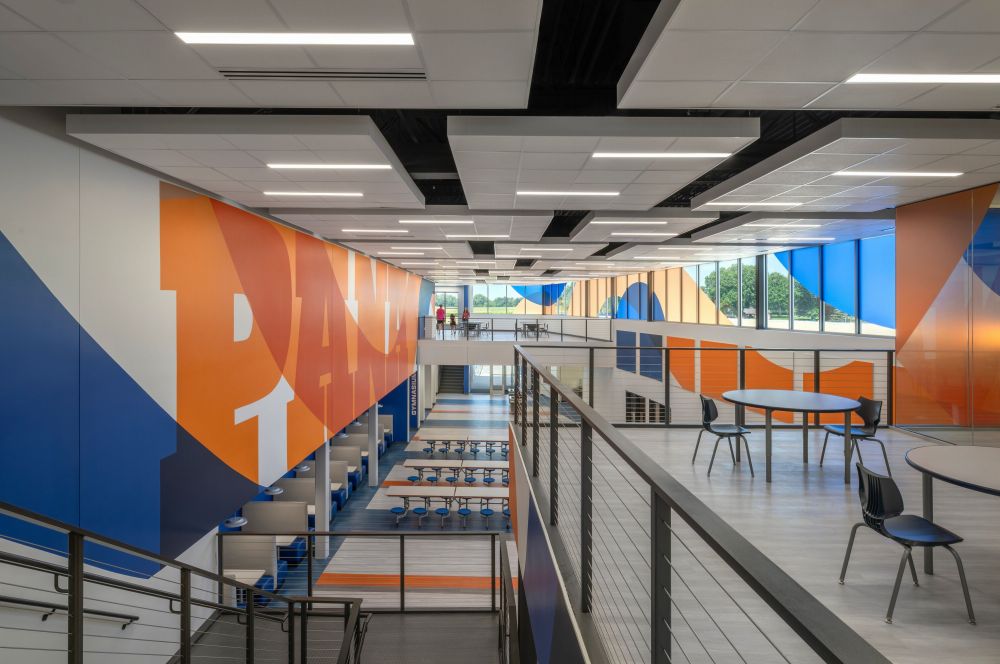
The shared PK-5 environment fosters greater efficiency in both learning and shared spaces across the district. This flexible new space also positions the district for future program growth.
- Public and shared use spaces
- Educational zones
- STEM
- Library/media center
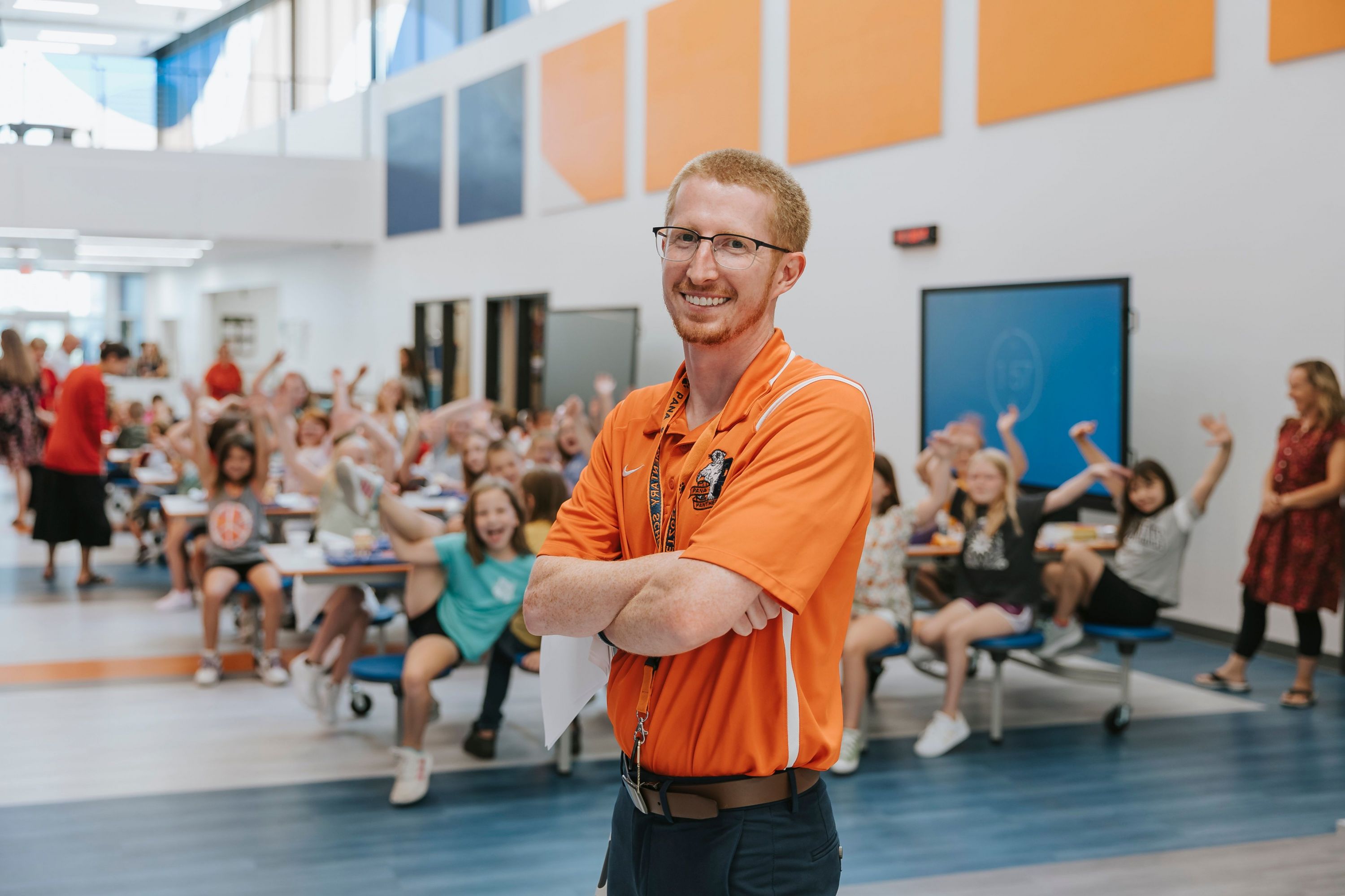
- Commons
- Gymnasium
- Environmental Branding
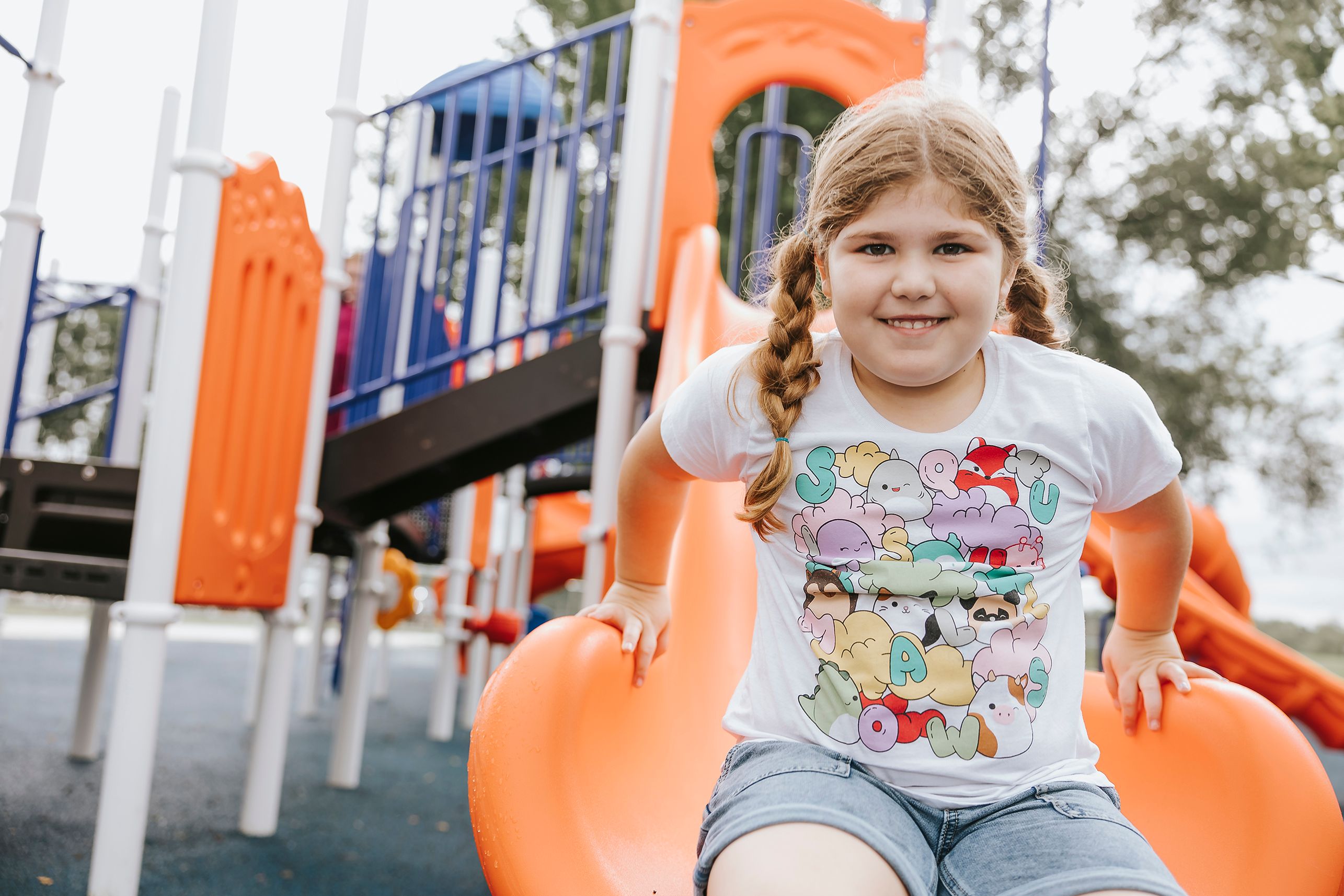

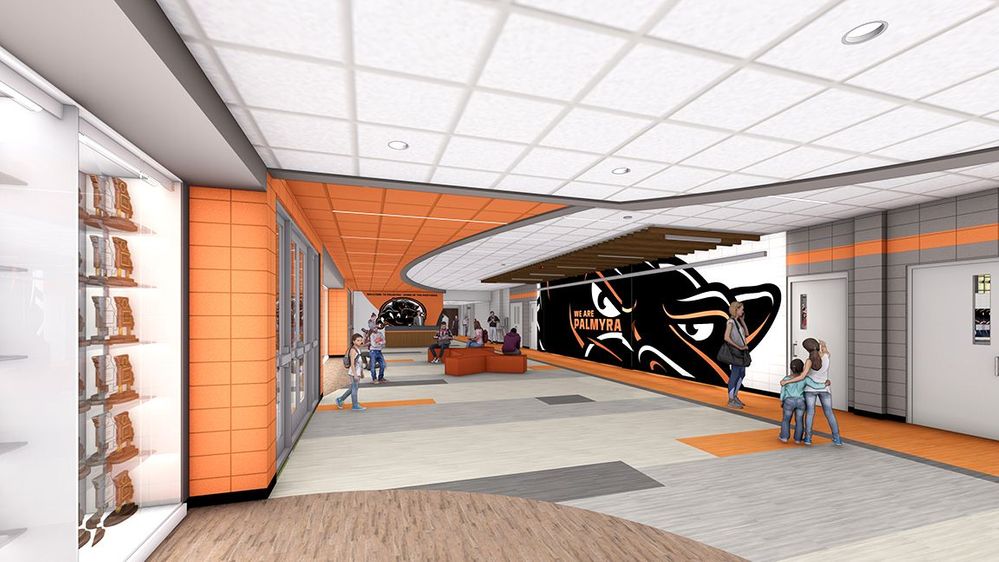
Palmyra R-1 School District has a long-standing tradition of basketball success and needed a complete refresh and rebranding of their existing gymnasium along with a new commons area.
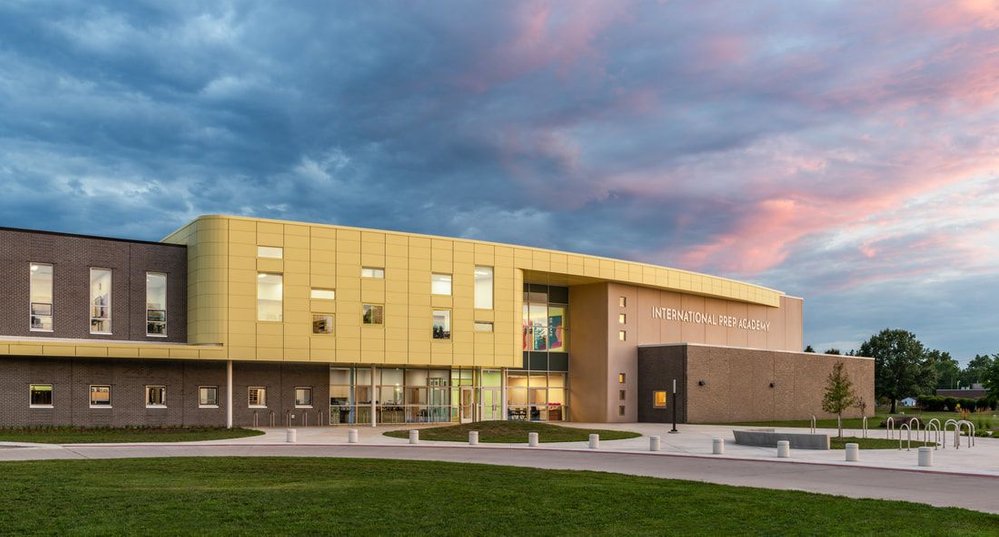
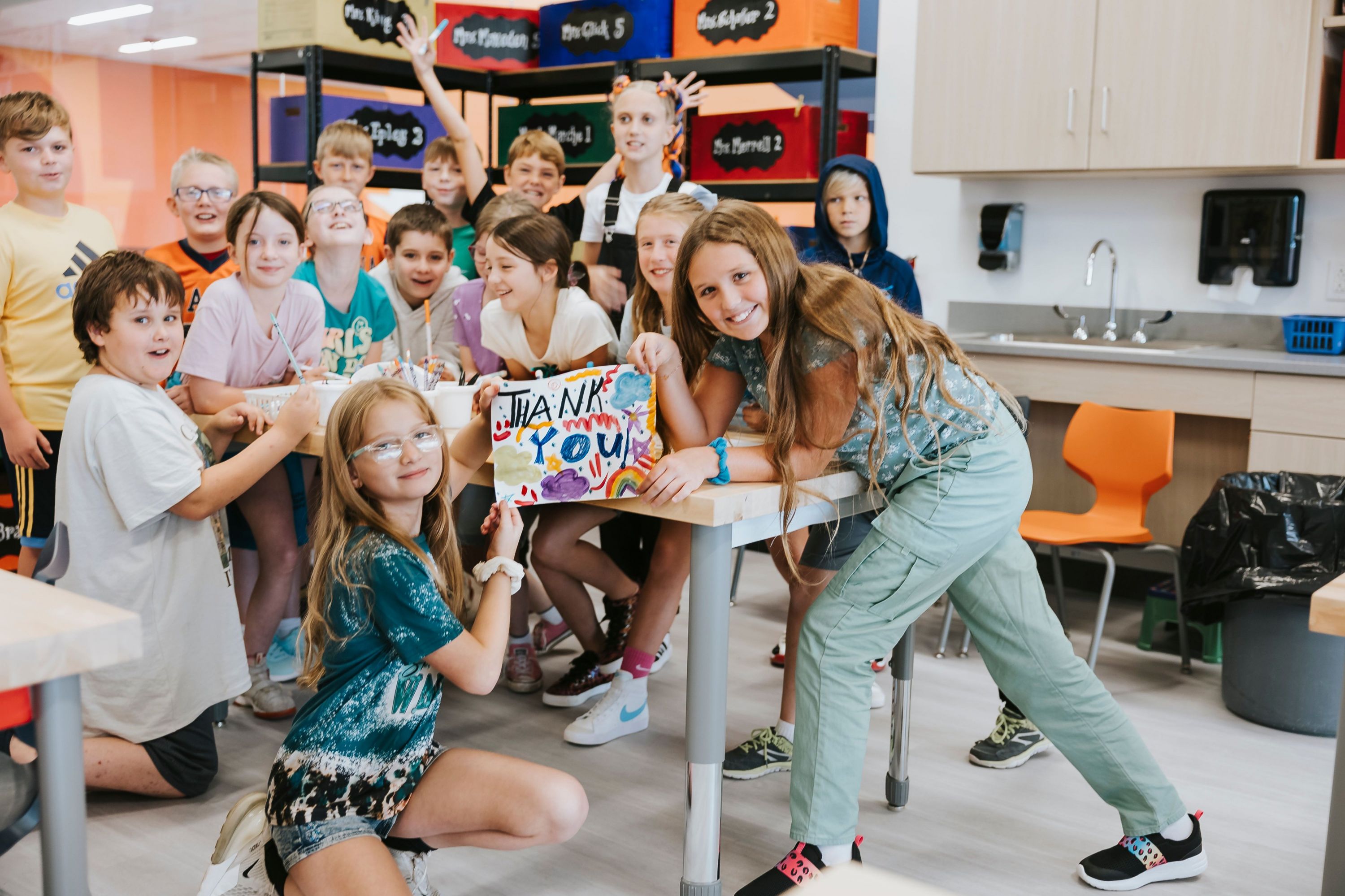
This transformational educational environment is designed to support diverse students in learning through future-focused methods. Intentional features like operable walls and flexible seating facilitate easy collaboration and project-based learning. Additionally, bilingual teams and faculty can share students without leaving the classroom area, promoting seamless support.
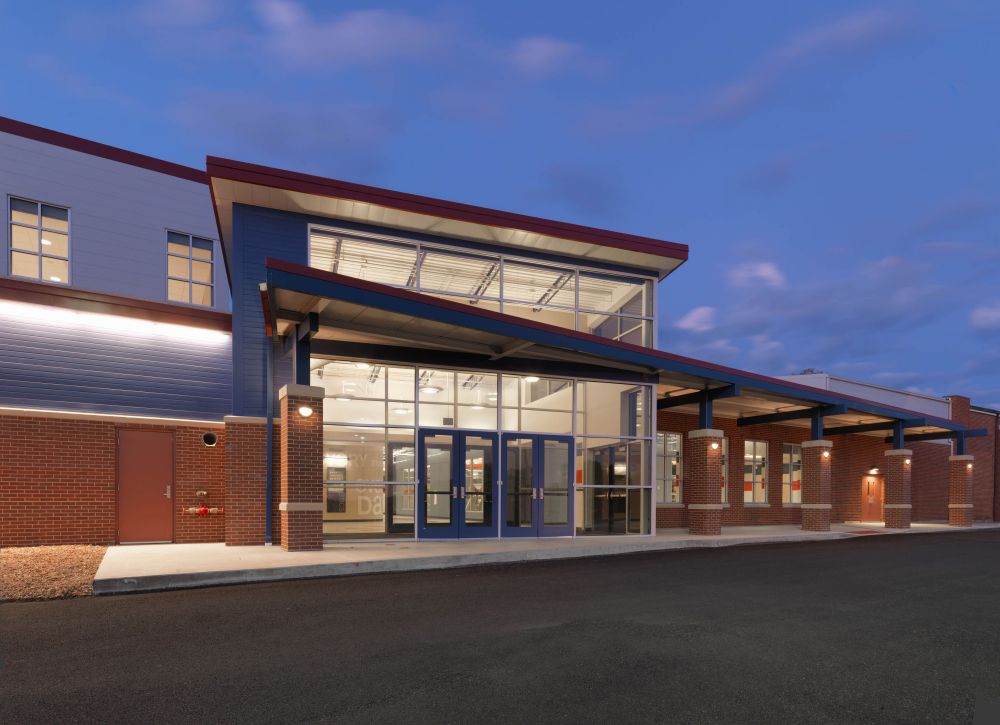
Phase 2 of the Pleasant Plains High School Additions and Remodel serves as an extension of the Phase 1 project, completed in 2012. The second phase completes the expansion of the high school into a 600-student school.