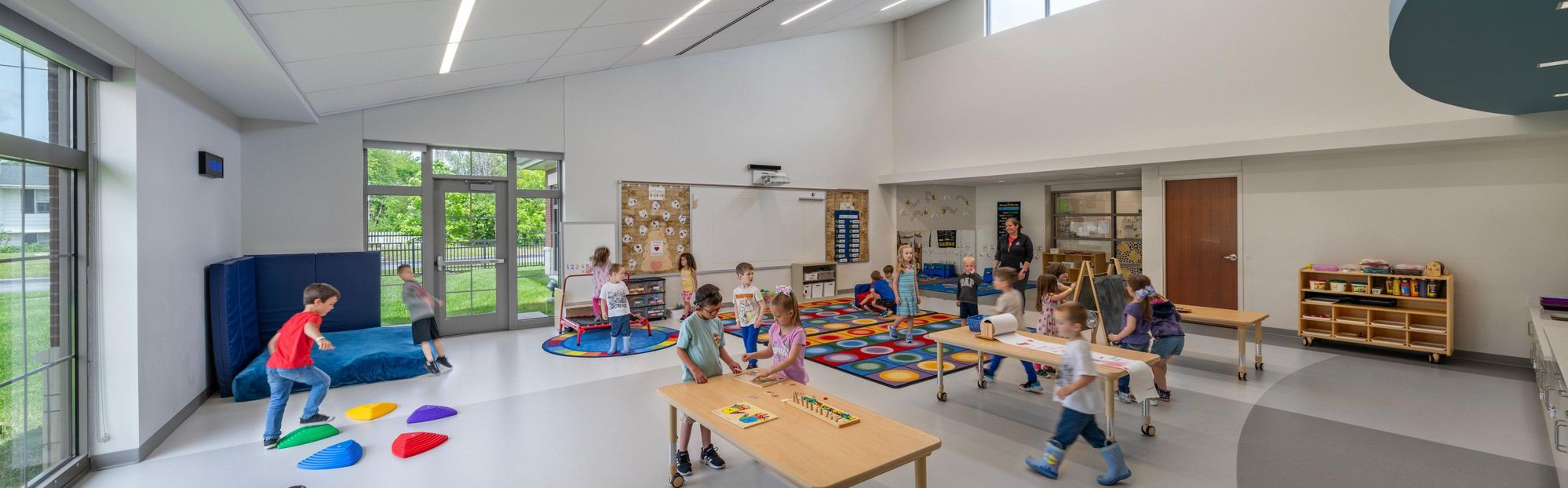
Picture this: bright, sun-filled classrooms, innovative learning spaces, and corridors buzzing with student energy.
Behind every inspiring school building stands a visionary architect who transforms educational dreams into brick-and-mortar reality. But how do you find that perfect architect for your school project? Let's dive into the exciting journey of creating tomorrow's learning spaces.
Hiring a school architect is a critical step in creating a functional and inspiring educational facility. The process requires careful consideration and planning to ensure that the selected architect meets the unique needs of the school district.
Here’s our comprehensive list on how to navigate this important decision-making process:
1. Understanding the Need for an Architect:
In Illinois, school districts are mandated to have drawings approved by a licensed design professional, such as an architect or engineer. This requirement ensures that the school building projects meet the necessary standards and regulations.

2. Hiring Process Overview:
If your district already has an architect, you can proceed without delay. However, if a new architect is needed, the selection process should adhere to the state’s Qualifications-Based Selection (QBS) law. This means architects should be chosen based on their qualifications rather than on the lowest bid. The steps could include:
- Forming a Building Committee: Assemble a team to oversee the selection process.
- Publishing a Request for Qualifications (RFQ): Announce the need for qualified architects.
- Reviewing Firms: Evaluate the submissions from various architectural firms.
- Shortlisting Firms: Narrow down the list to the most qualified candidates.
- Selecting a Firm: Choose the architect that best fits the project needs.
- Negotiating the Contract: Finalize terms and conditions with the chosen architect.
3. Understanding Costs:
School construction costs in Illinois for example, depend on the project type and size. Architectural fees typically range from 5% to 10% of the construction cost. Smaller projects may have higher percentages due to the complexity and personalization involved, while larger projects benefit from economies of scale, resulting in lower fees.
4. Initial Assessment:
The first step in the architectural process is conducting a comprehensive assessment—both physical and functional—of the existing facilities. This evaluation provides a thorough understanding of necessary improvements and offers an opportunity to establish a working relationship with the architect before embarking on a large-scale project.
5. Funding Options:
Several funding avenues are available for school construction projects, including:
- Working Cash: Utilizing available cash reserves ($$ in the district's savings account).
- Health/Life Safety (H/LS) Bonds: May be used to upgrade conformance with regulatory requirements, including pavement, energy upgrades, safety & security, accessibility.
- General Obligation (GO) Building Bonds: Loans issued for the exclusive use of building upgrades, fees and furnishing associated with said upgrades.
- Sales Tax: Allocating a portion of sales tax revenue. Proceeds can only be used for building and grounds updates.
- Grants: State, national and private grants available, often as a match to your local share.
Discover Game-Changing K-12 Resources: Your Path to Educational Excellence