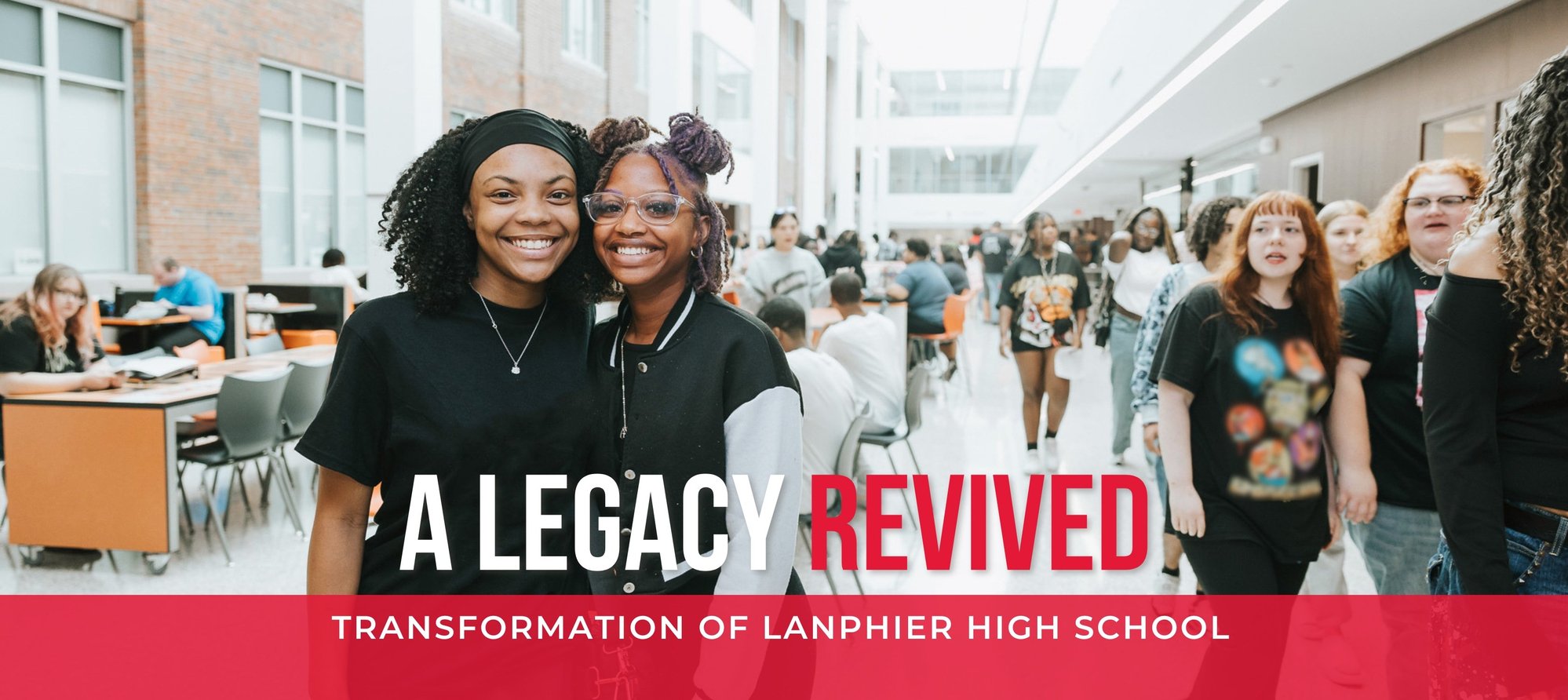
Across Illinois, school districts are being asked to do more with aging facilities, often balancing tight budgets, evolving educational needs, and strong community expectations. The transformation of Lanphier High School in Springfield, IL, shows what’s possible when design is grounded in community values and clear priorities.
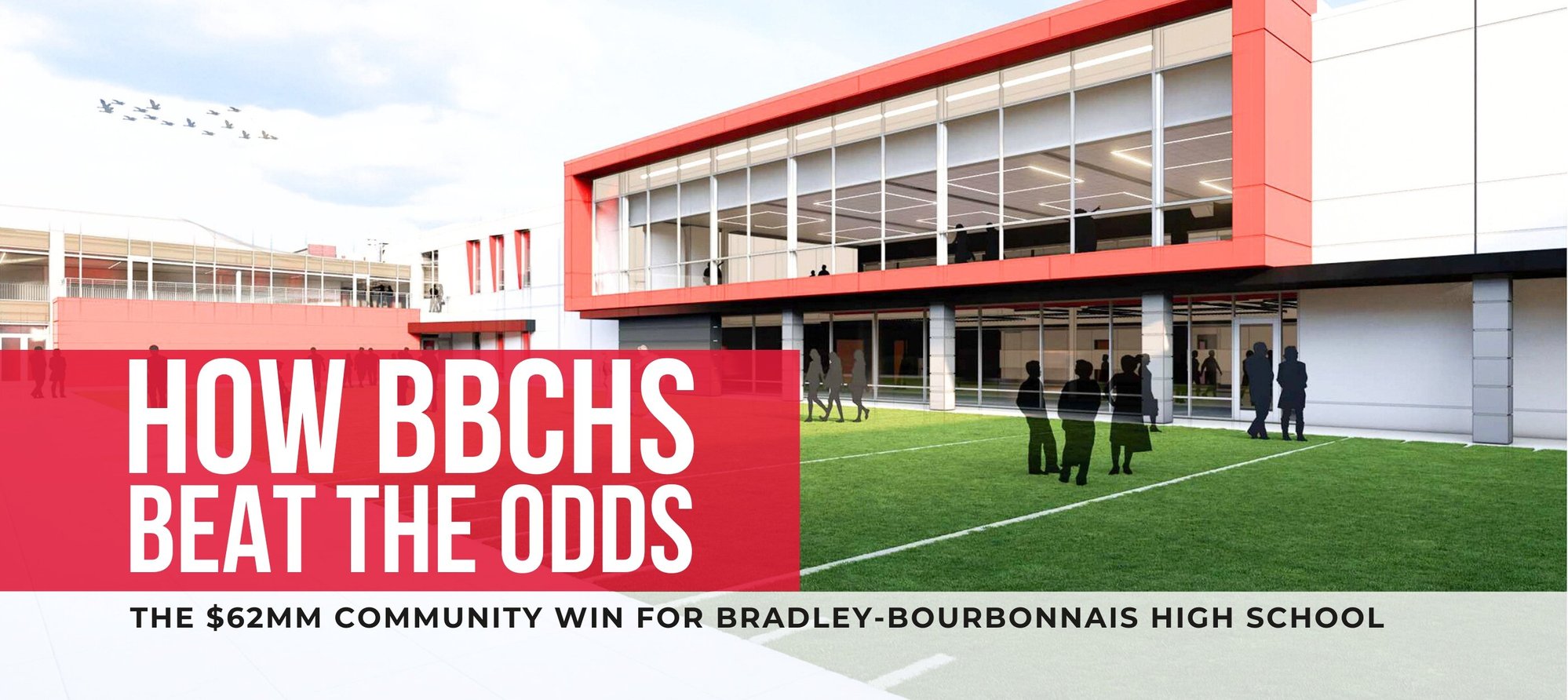
Asking voters for $62 million in an anti-tax climate when initial polling is below 50% sounds impossible. But for Bradley-Bourbonnais Community High School District, “impossible” was nothing new.
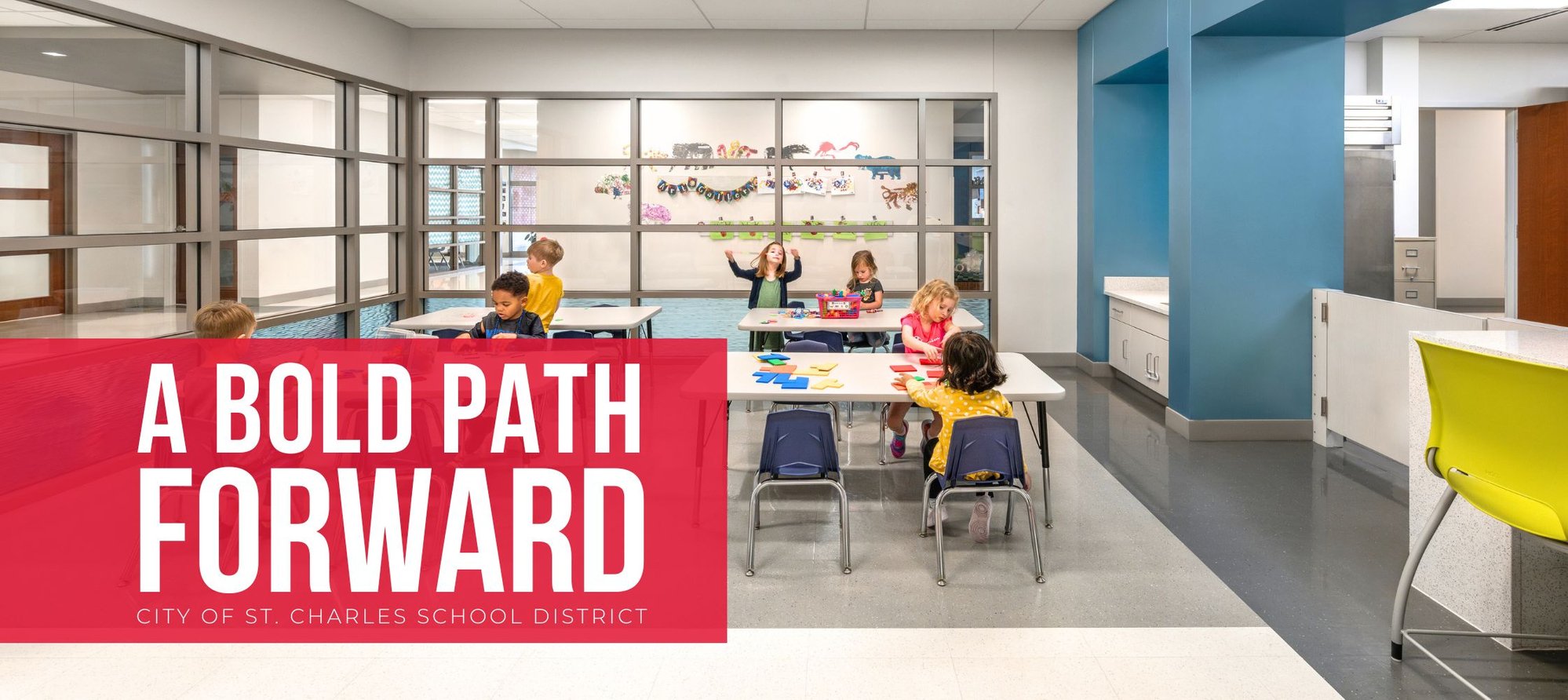
Since its founding way back in 1846, the City of St. Charles School District (SCSD) has been a proud cornerstone of the community—growing, evolving, and educating generation after generation. And now, with the successful April 2025 passage of Proposition SCSD, the district has secured resources to power its next chapter—one that’s focused squarely on smarter spaces, better buildings, and top-tier learning environments.
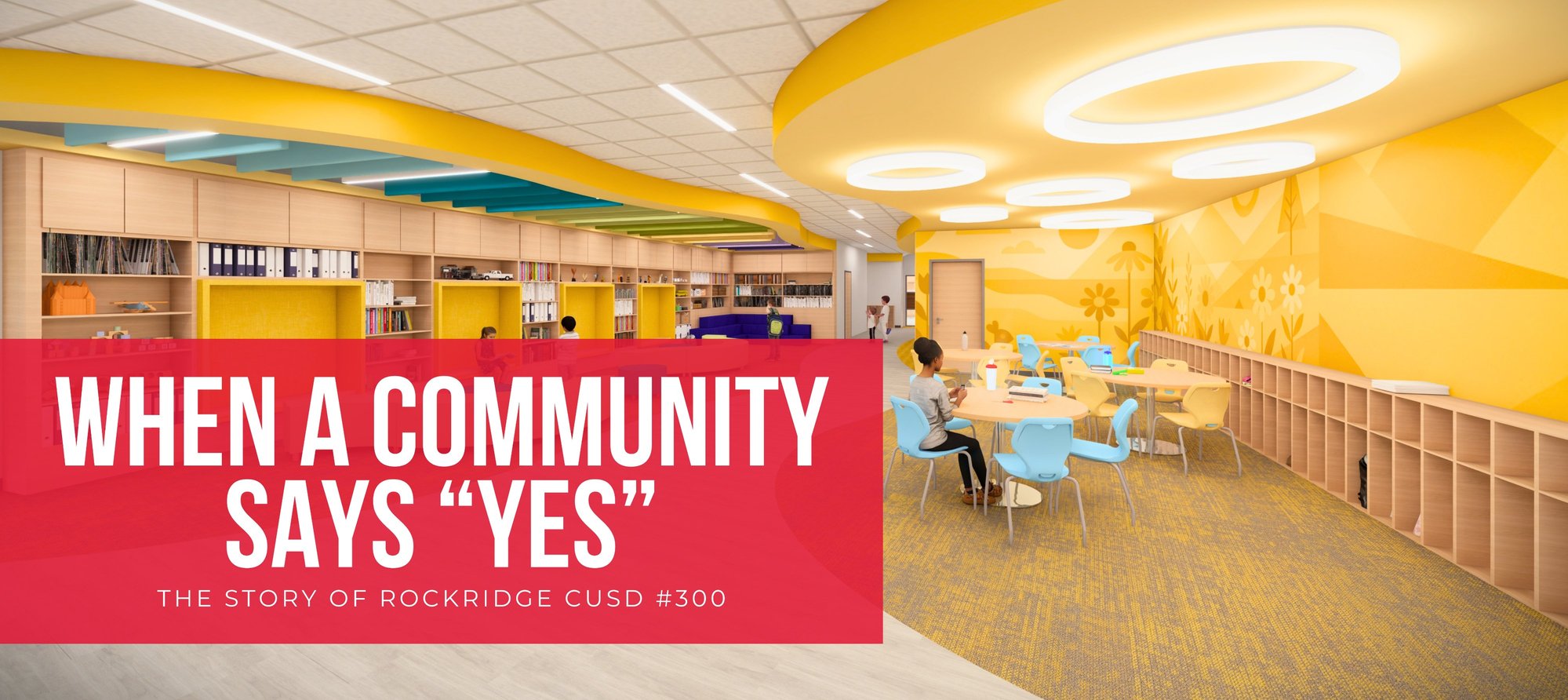
When a failed school referendum threatened to derail progress in Rockridge School District, they discovered that the path to success wasn't just about having the right plan – it was about bringing the whole community along for the journey.
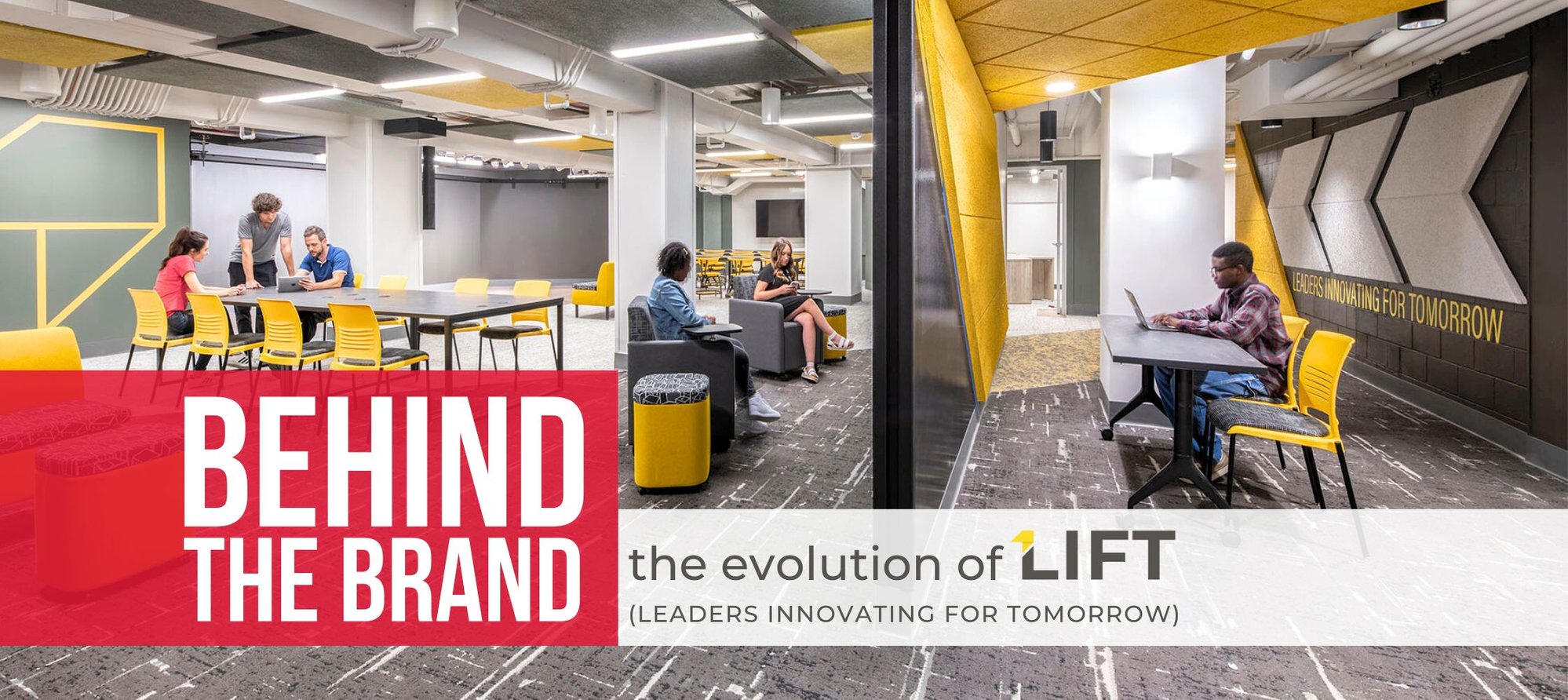
Creating a brand for an educational initiative is rarely straightforward, and the development of LIFT (Leaders Innovating For Tomorrow) for Mattoon CUSD #3, Mattoon, IL, was no different. What started as a vision to expand the district's local technology program transformed into a Regional Innovation Center with a bold, meaningful identity.
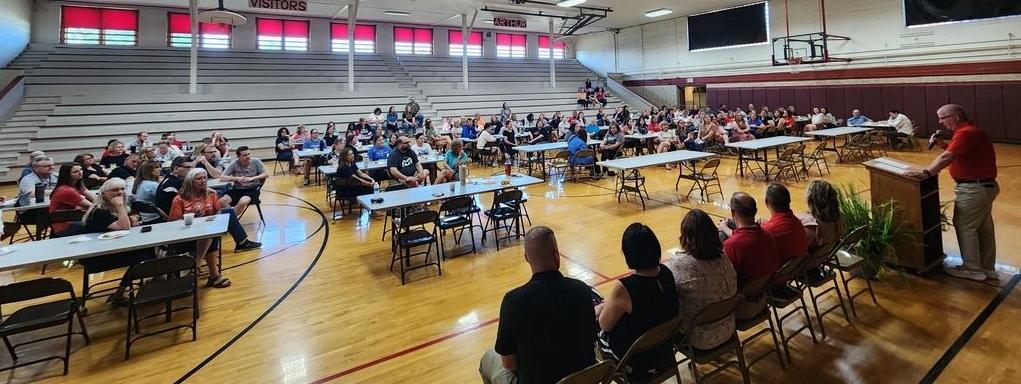
The key to navigating the aftermath of a lost referendum lies in embracing a powerful approach: authentic community engagement. This is about more than just checking a box or gathering token feedback. It's about harnessing the wisdom of the community itself to shape the future.

Agriculture is a staple of the rural education curriculum, and while a majority of students are involved in those programs, there is often little funding and inadequate spaces to support them. The future farmers and agribusiness leaders are frequently taught in regular classrooms or modified shop rooms, without access to the tools and resources they need.

For more than 10 years, the Waltham Elementary School District in North Utica, Illinois, dreamed of having one building for all their K-8 students who had been spread among two outdated elementary schools. Serving a student population of fewer than 250, the project goal was never to redesign how education environments are used. Instead, the objective was much simpler: to ensure this small, rural countryside town near Starved Rock State Park could remain viable.