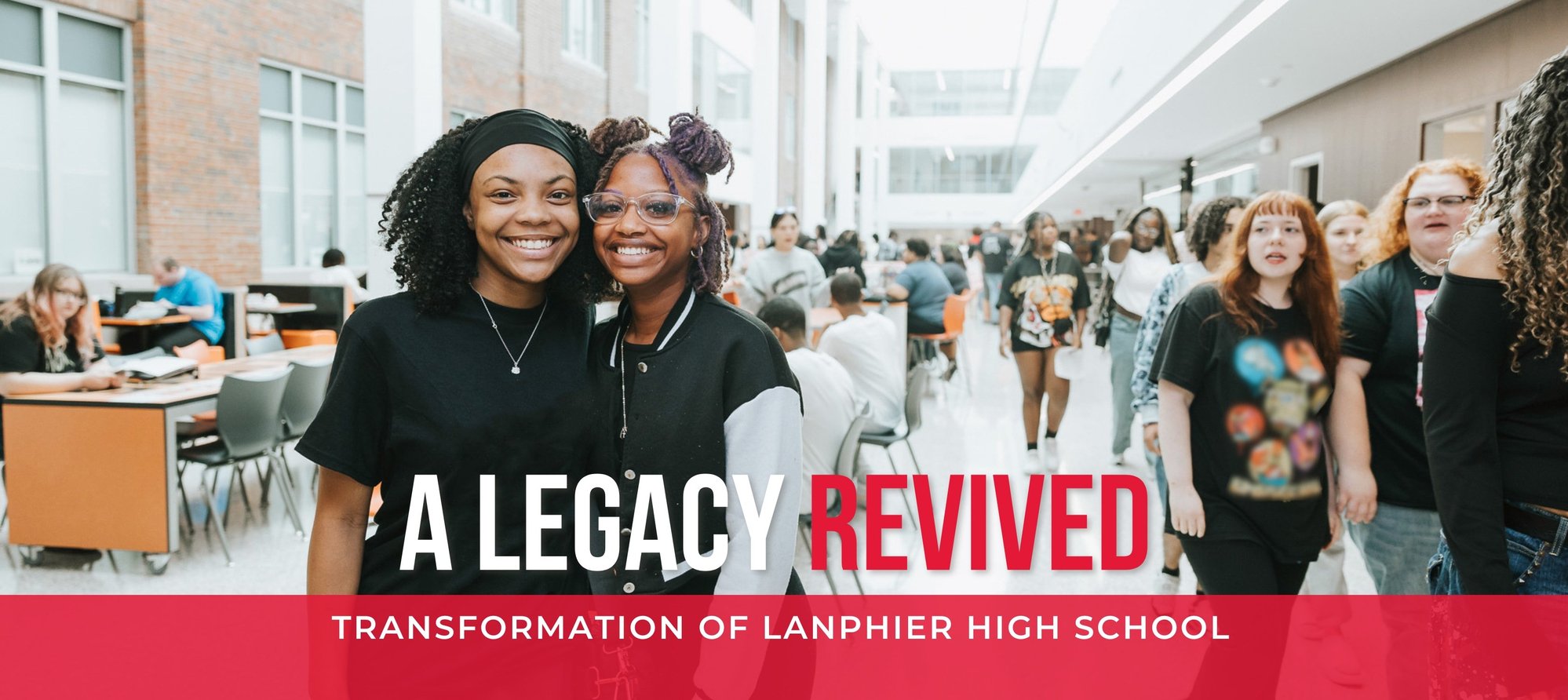
Across Illinois, school districts are being asked to do more with aging facilities, often balancing tight budgets, evolving educational needs, and strong community expectations. The transformation of Lanphier High School in Springfield, IL, shows what’s possible when design is grounded in community values and clear priorities.
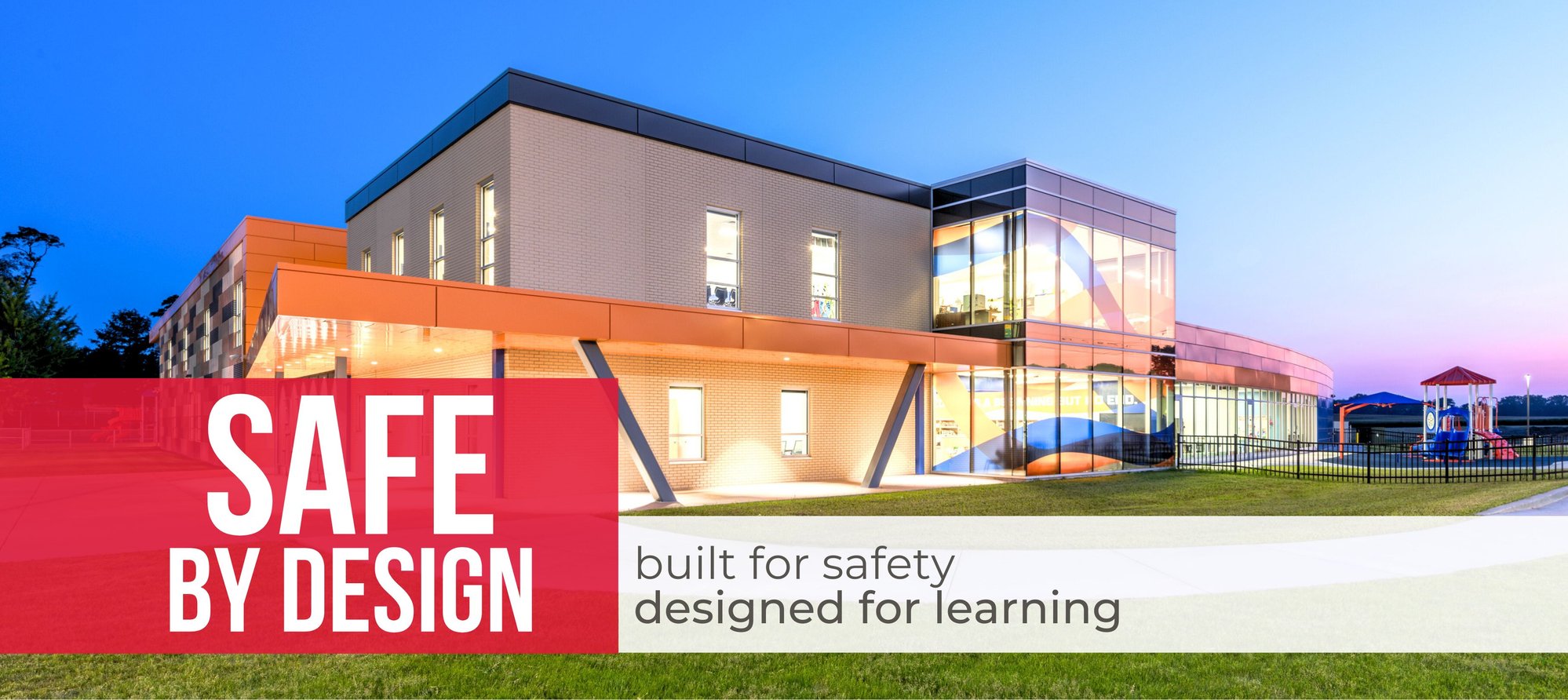
Since 2015, Illinois has required all new and significantly renovated K-12 buildings to include ICC 500/FEMA-compliant storm shelters that can withstand winds up to 250 mph. It’s a critical requirement — but also an opportunity.
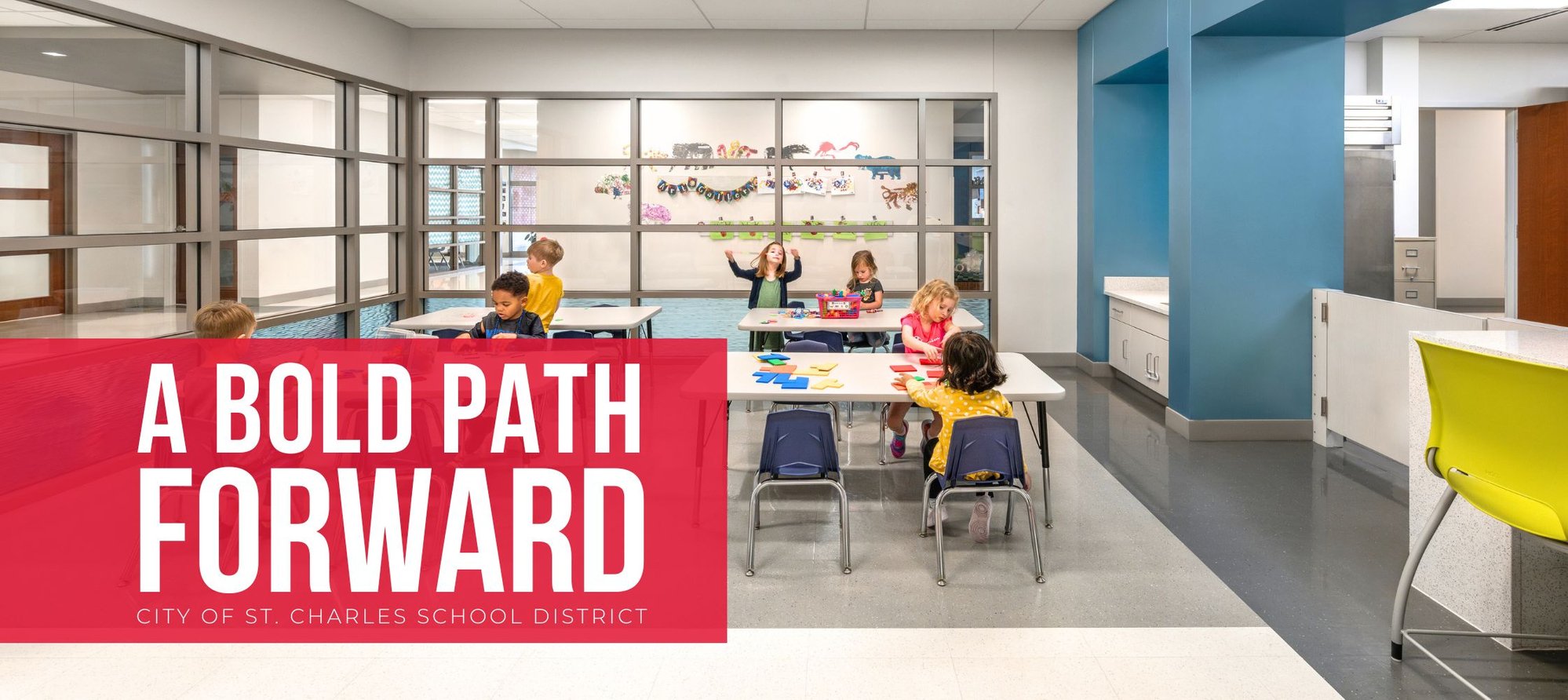
Since its founding way back in 1846, the City of St. Charles School District (SCSD) has been a proud cornerstone of the community—growing, evolving, and educating generation after generation. And now, with the successful April 2025 passage of Proposition SCSD, the district has secured resources to power its next chapter—one that’s focused squarely on smarter spaces, better buildings, and top-tier learning environments.
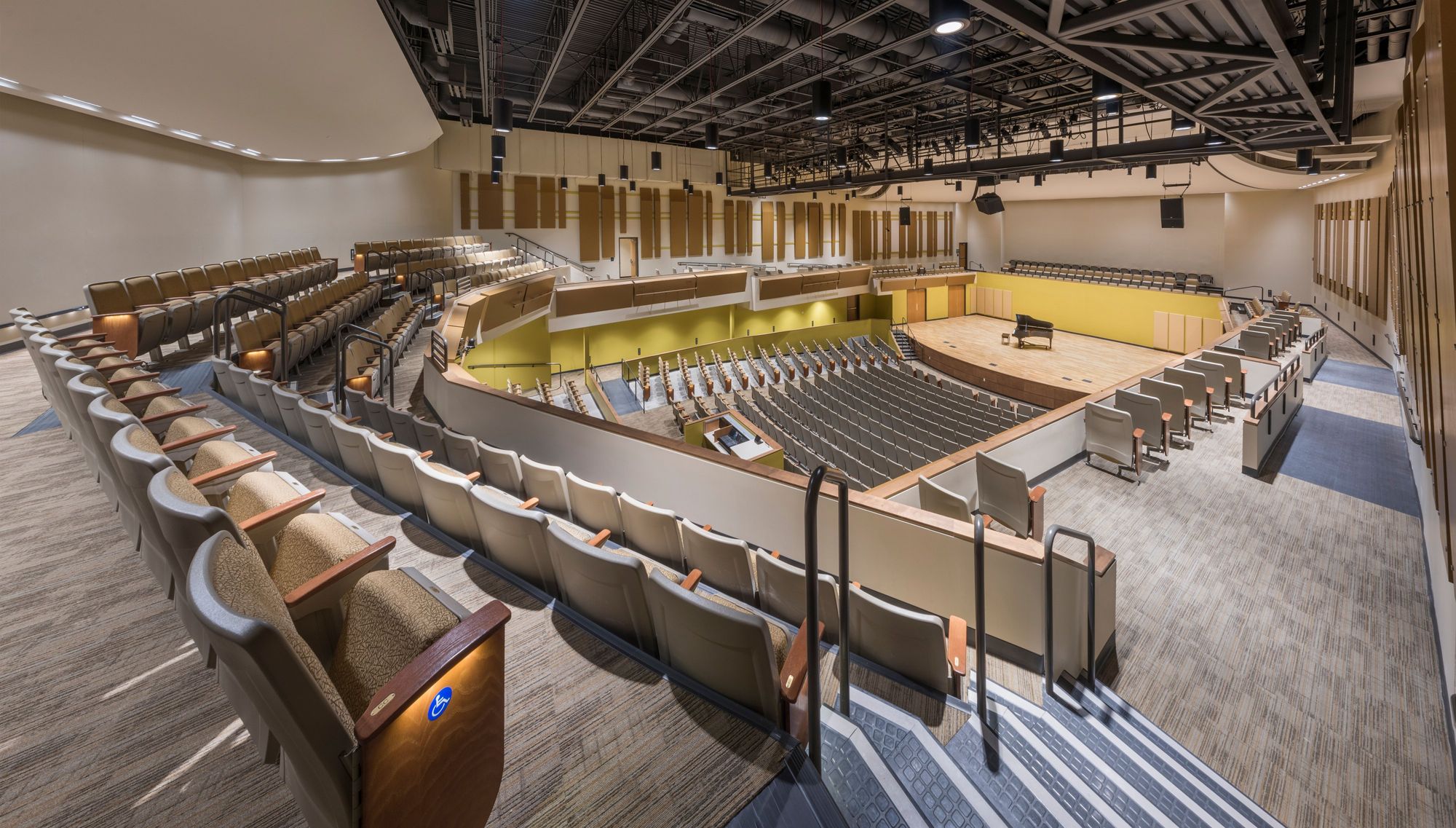
In the ever-evolving landscape of education, the importance of fostering creativity and artistic expression has never been more pronounced.
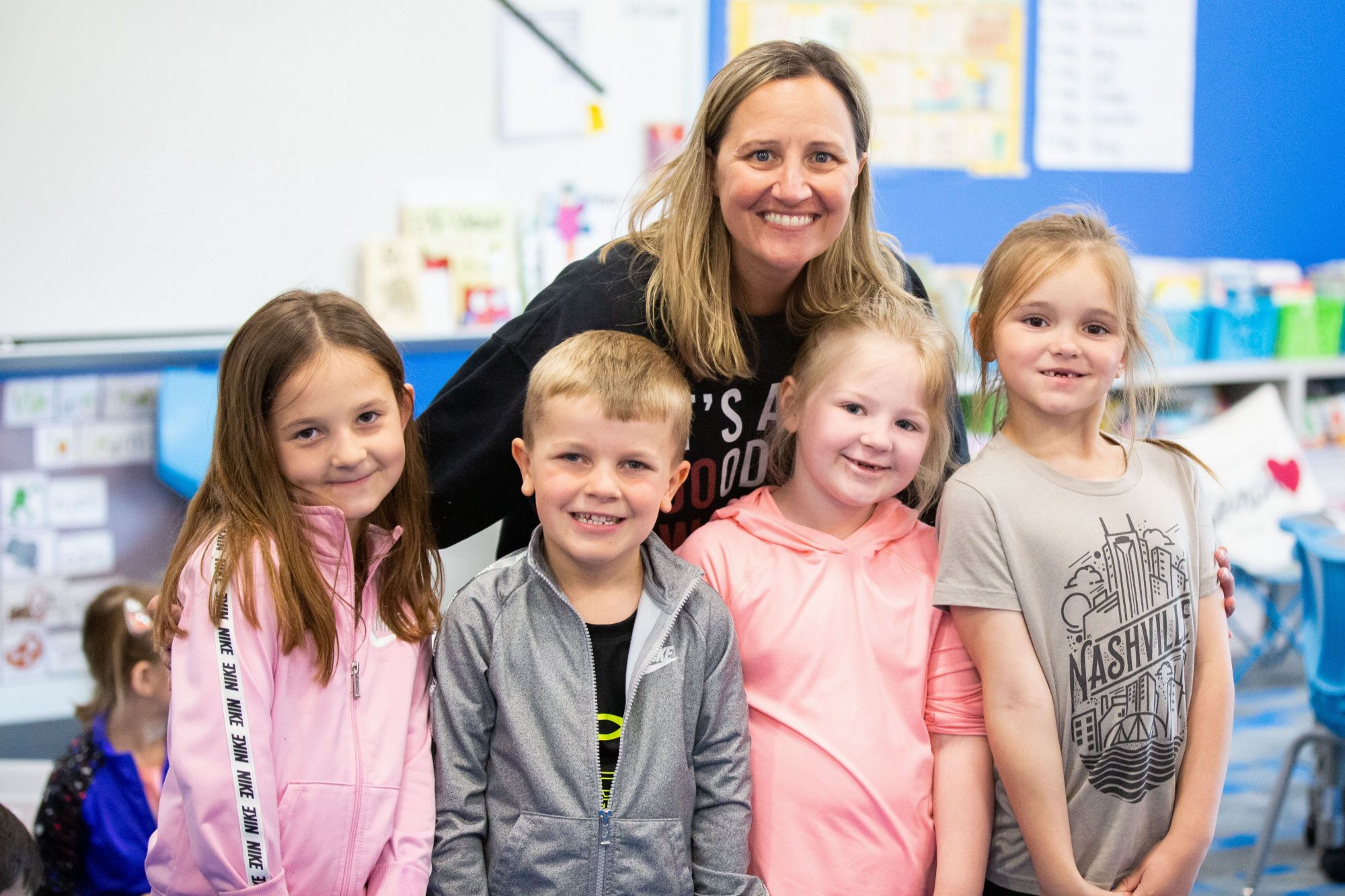
For more than 10 years, the Waltham Elementary School District in North Utica, Illinois, dreamed of having one building for all their K-8 students who had been spread among two outdated elementary schools. Serving a student population of fewer than 250, the project goal was never to redesign how education environments are used. Instead, the objective was much simpler: to ensure this small, rural countryside town near Starved Rock State Park could remain viable.
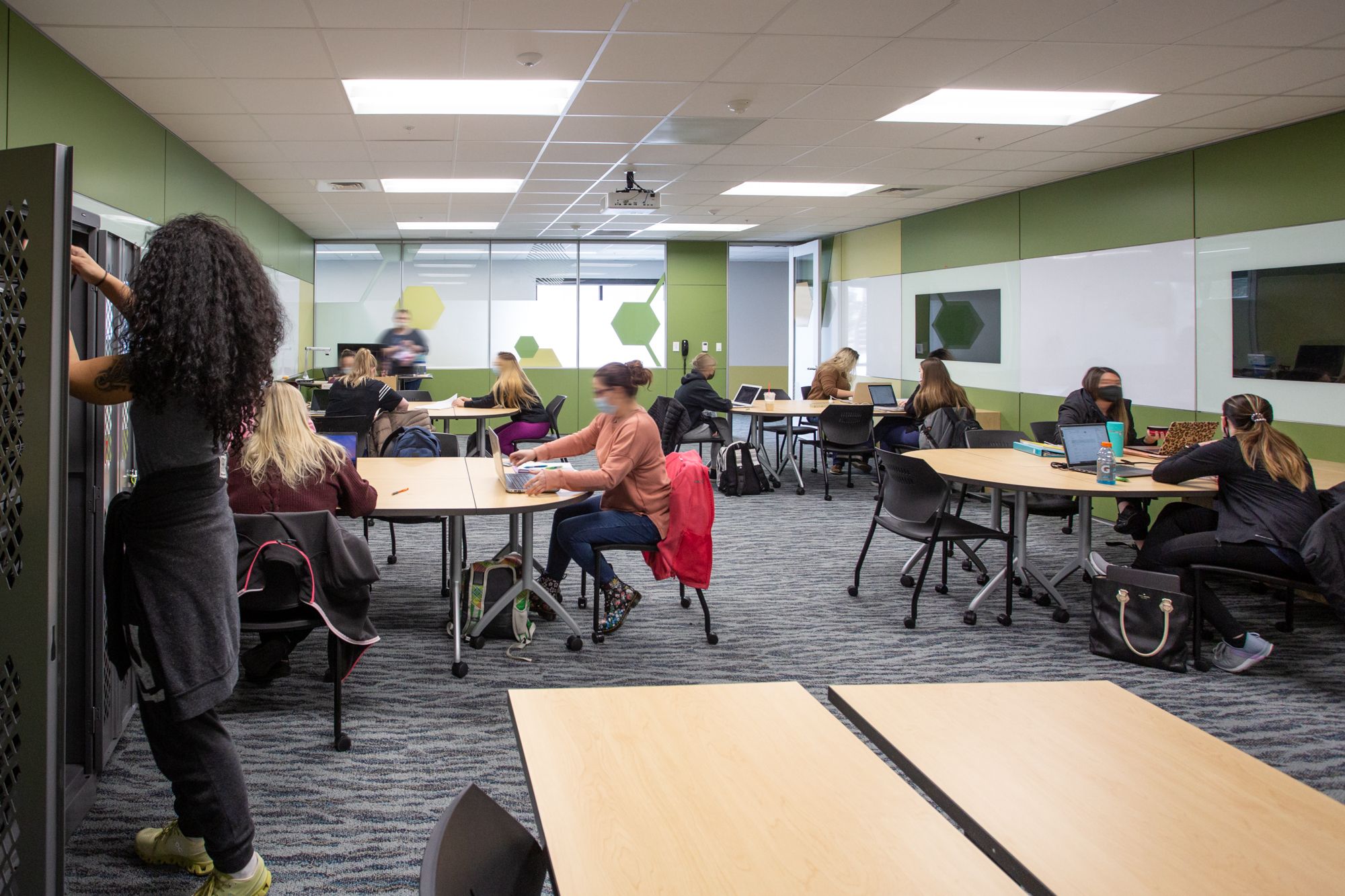
Several of Richland Community College’s high-performing programs were in need of renovated spaces to refocus learning to a student-centered model. As part of a multi-phase long-range facilities plan, the $11.6 million first phase updated two exterior spaces and 45,000 s.f. of interior renovations were made to facilitate critical thinking and allow experiential learning through real-world problem solving in flexible spaces.