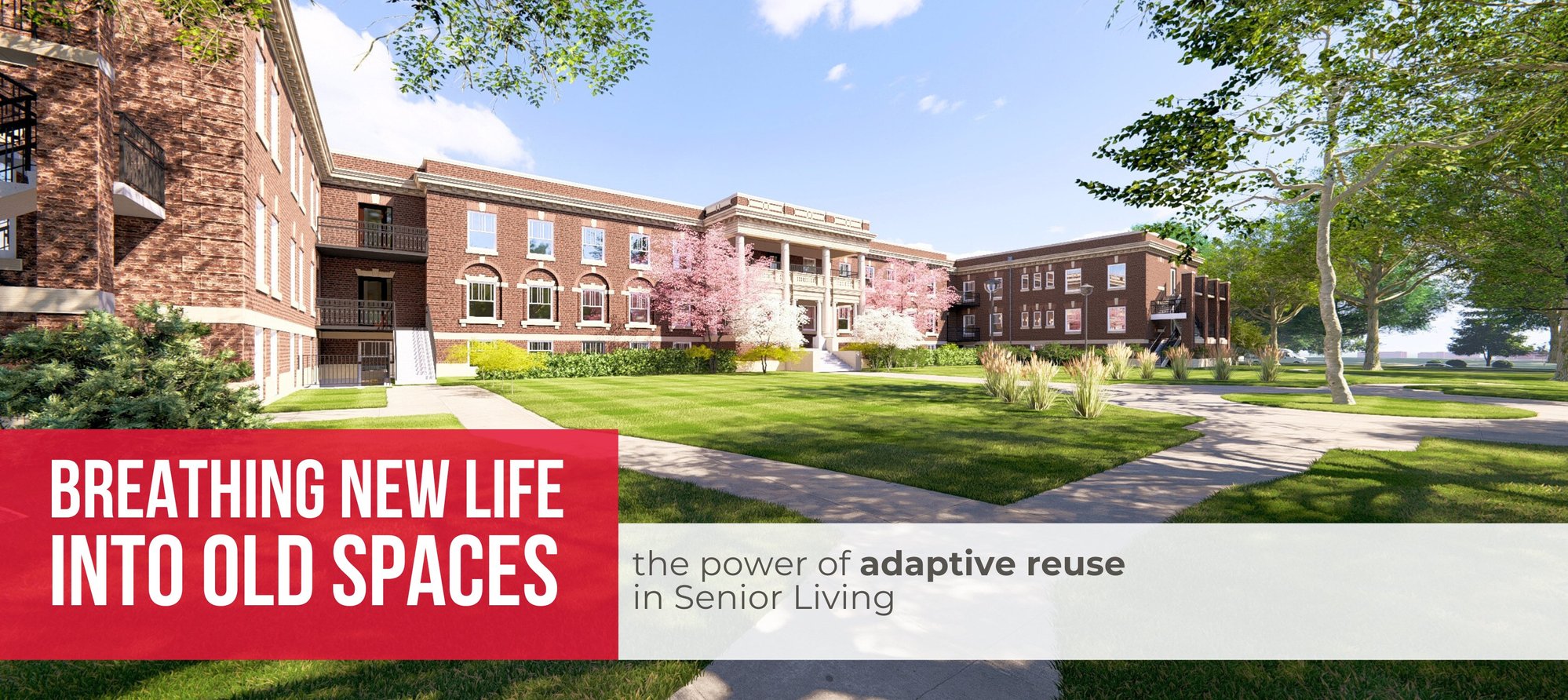
You might’ve seen the phrase “adaptive reuse” pop up more and more lately. It sounds technical, but the idea is simple: take a building that’s outlived its original purpose and give it a new life. While the concept isn’t new, it’s seeing a fresh wave of interest, especially in senior living. Why? Because repurposing old structures comes with big benefits.
The Upside of Adaptive Reuse
-
Cultural and Historic Preservation: Buildings aren’t just bricks and mortar — they’re part of a community’s story. Adaptive reuse lets us keep that character alive, even as we update for modern needs.
-
Community Support: Demolishing a beloved building is rarely popular. Repurposing it, on the other hand, can rally the community behind a project instead of against it.
-
Reducing Environmental Impact: The numbers are hard to ignore: the EPA estimates 600 million tons of construction and demolition waste was generated in the U.S. in 2018 — up from 170 million tons in 2005, with most coming from demolition. Reusing buildings keeps a big chunk of that waste out of landfills.
With all these upsides, you might wonder: why isn’t everyone reusing old buildings? The answer: it’s complicated.
The Challenges
-
Regulatory Maze: Getting the green light for new development is tricky enough. Adaptive reuse adds extra layers. Projects need to satisfy a patchwork of authorities — like planning, zoning, stormwater management, historic preservation, state agencies, and building codes.
-
Costs and Surprises: Reusing a building can be cost-effective, but hidden issues — like asbestos or lead — can drive up budgets fast.
-
Physical Constraints: Not every building is a blank slate. The original layout or structure might not fit a new use, especially in senior living, where things like wide corridors and accessible units are crucial.
So how do you make adaptive reuse work, especially for senior living communities? It starts with understanding your people and your building.
Stay tuned for Part 2, where we’ll dig into the practical steps and lessons learned from a real-world case: the transformation of Pioneer Place at Three Crowns Park.
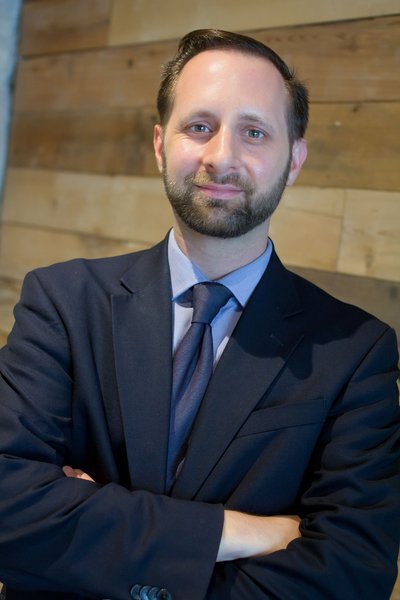
Emiel started with BLDD in 2002. Since then, he has worked on a wide variety of project types, with a particular focus on senior living facilities. Emiel has become BLDD's go-to person for technical and code questions related to these specialized projects. He leads the QA/QC process and keeps our master specifications up to date, ensuring that all projects meet the highest standards of safety and compliance.