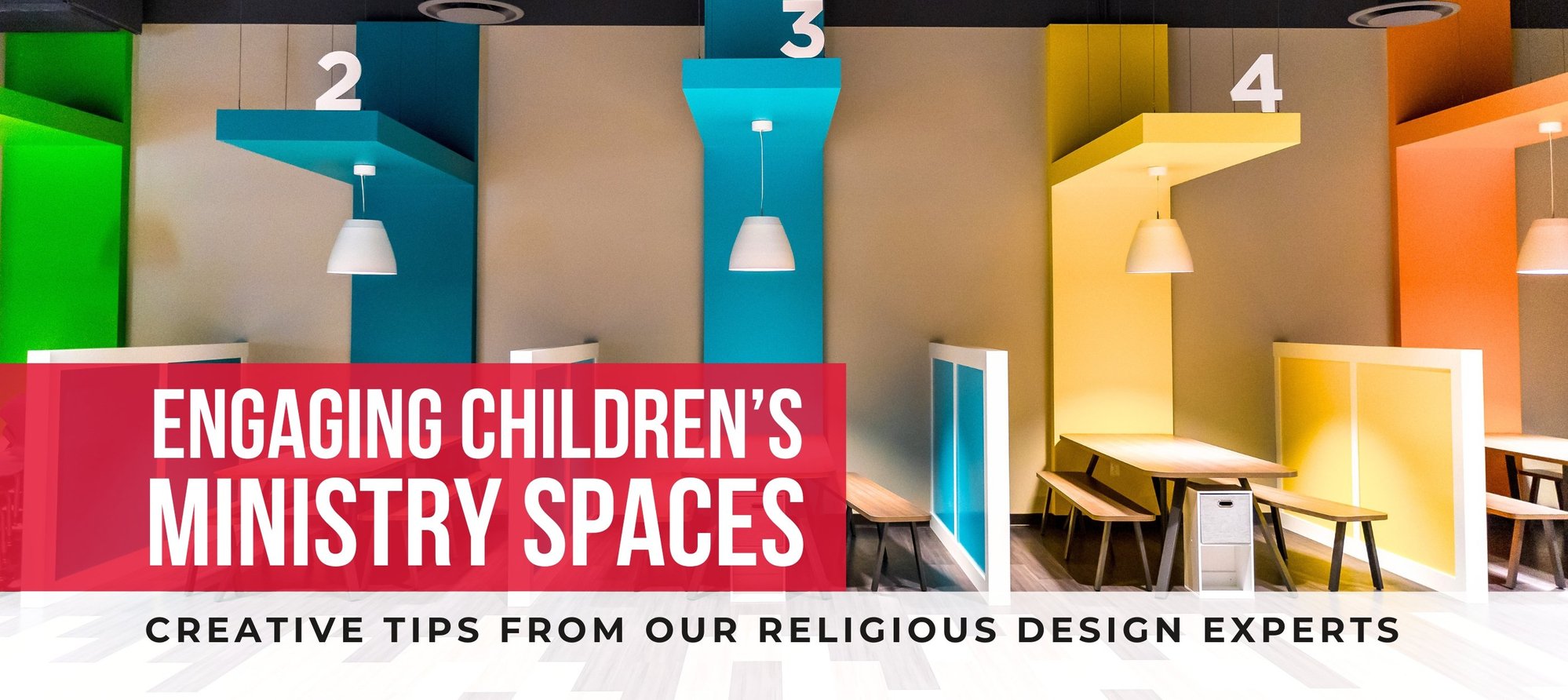
While church congregations have different needs and ideologies, they typically share a common goal: to create safe and engaging houses of worship for members of all ages.
Even though most churches have dedicated worship spaces for members to attend services, many congregations struggle to support their youngest attendees. As a result, worship facilities without adequate children’s and youth spaces often face declining membership and lower engagement rates.
Children's spaces have become a priority in attracting families and growing religious communities.
So what's the best approach to address this need? Religious design expert Carson Durham says, “Build for the youngest child and oldest adult.” Sounds easy, right?
To make your life easier, the BLDD team of religious design specialists has compiled a few best practices to ensure your spaces are age-appropriate, engaging, and safe environments for kids to learn, grow, and worship.
1. Create Age-Appropriate Spaces
|
|
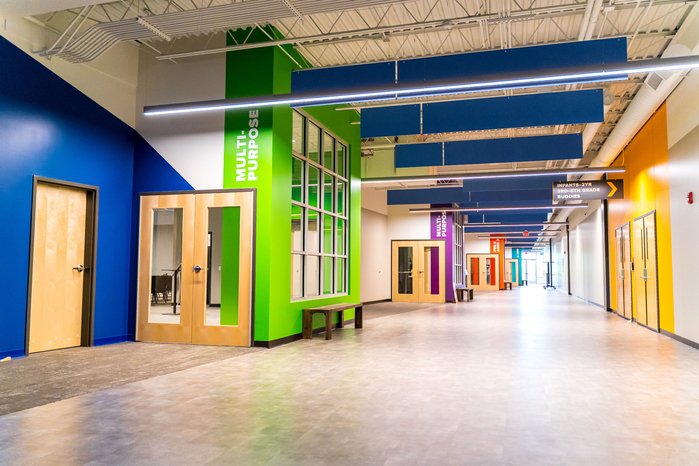
Children’s spaces should be welcoming and comforting for both children and their parents. One way to achieve this is by having an easily identifiable kid's zone near the main entrance. The 26,000 s.f. children’s wing addition at West Side Christian Church in Springfield, IL, features a clearly marked check-in area and hallway serving 3-year-olds to third graders. |
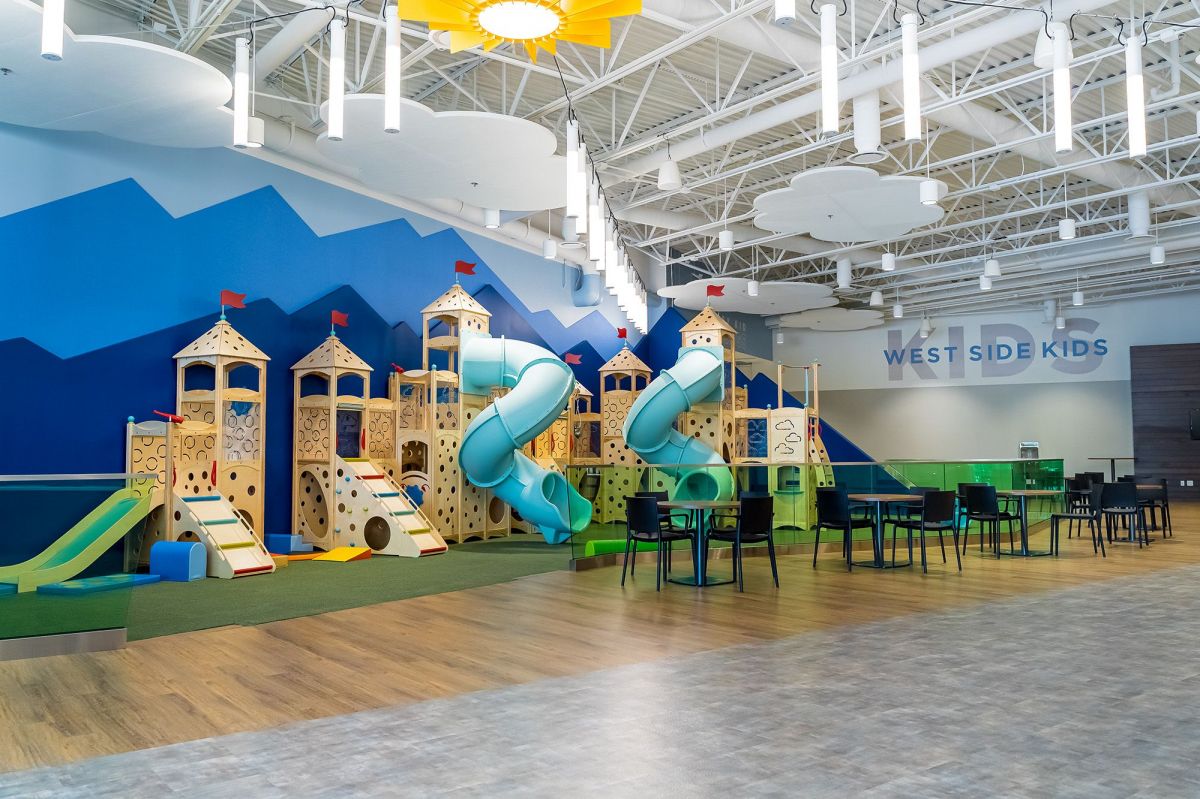
The space includes a colorful indoor playground outside of the Kids Zone that children can use before and after services. This provides an area for kids to interact with each other and build community within the church.
|
|
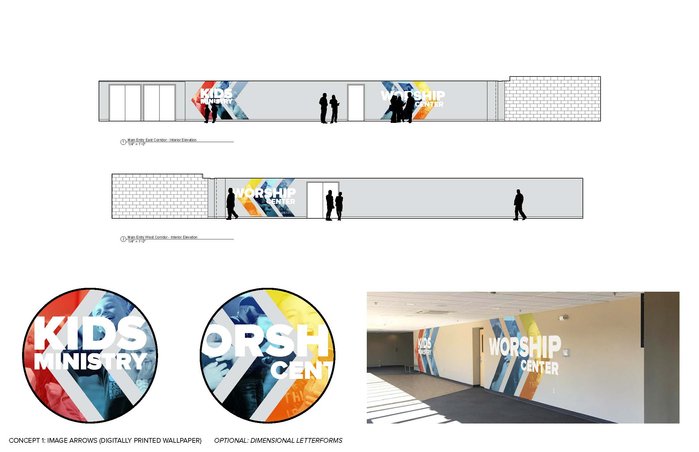
Environmental Branding helps families navigate the space while making the environment feel playful, inviting, and comfortable for children. Bright colors differentiate the spaces by age group throughout the children’s wing. The colors serve as guideposts for parents and kids to ensure they’re going to the appropriate children's areas. |
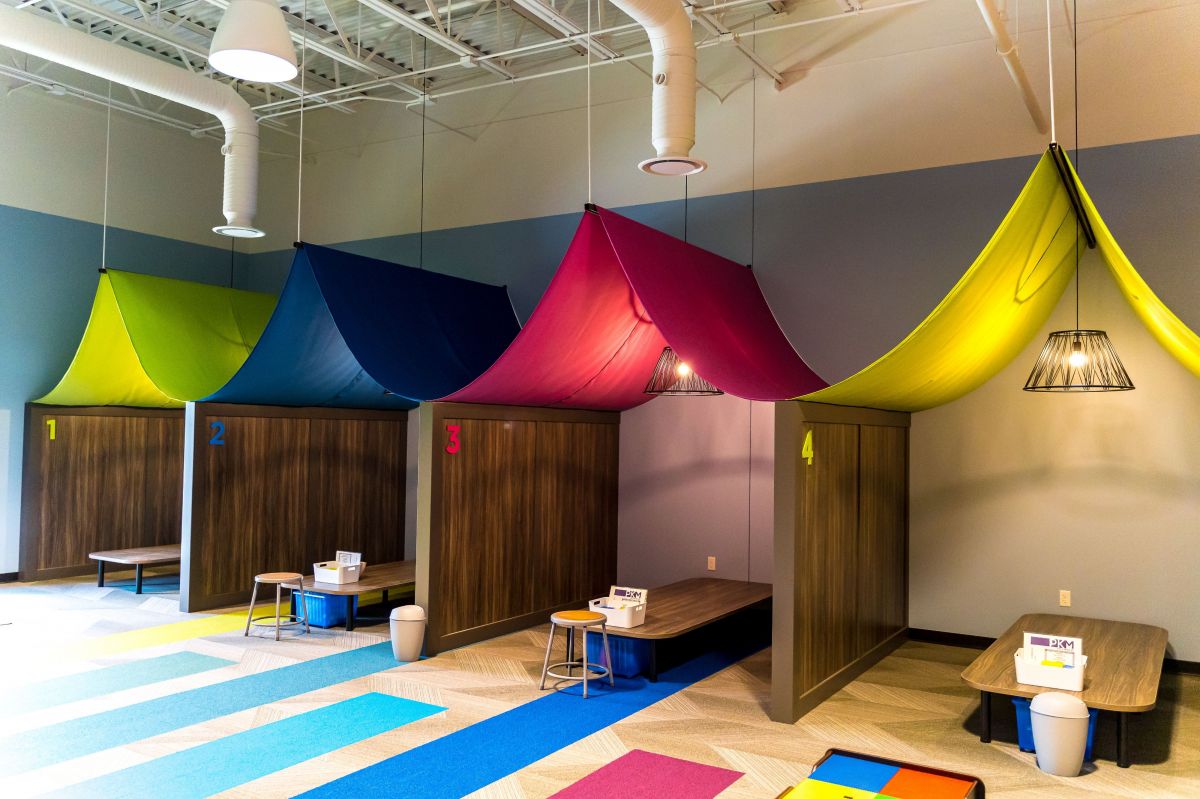
Children in third grade learn much differently than Pre-K kids, so it is important to create separate classrooms and small group areas to accommodate the range of ages and learning styles. West Side’s children’s addition features a large group space, designed with “tents” for kids to break off into small groups and connect with the larger message through age-appropriate activities.
2. Prioritize Safety & Security
|
|
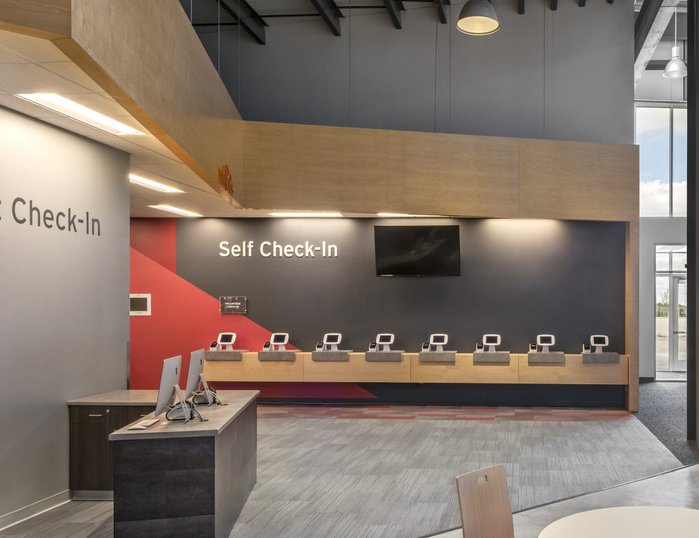
It is essential to design spaces that give parents confidence and peace of mind when leaving their children to worship. An key feature is having the space contained with a one-way direction flow past the check-in area. Keeping the space contained creates a secondary circulation that is accessible to checked-in children only. Vale Church in Bloomington, IL, has a children’s entry with a series of secure check-in tablets for drop-off. This system provides children with badges that ensure they get to the correct rooms and are only picked up by a trusted guardian. |
3. Select a Theme
Centering your children’s spaces around a theme creates an eye-catching environment that attracts children and their families from the moment they enter the church.
A theme can help young minds create connections with the messages they are learning in fun and unique ways.
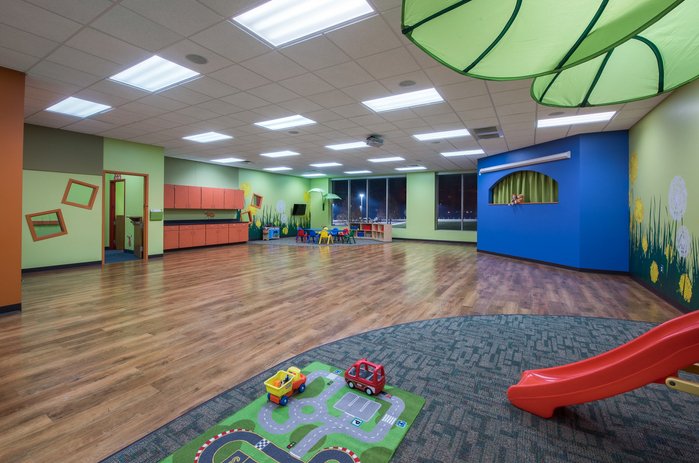
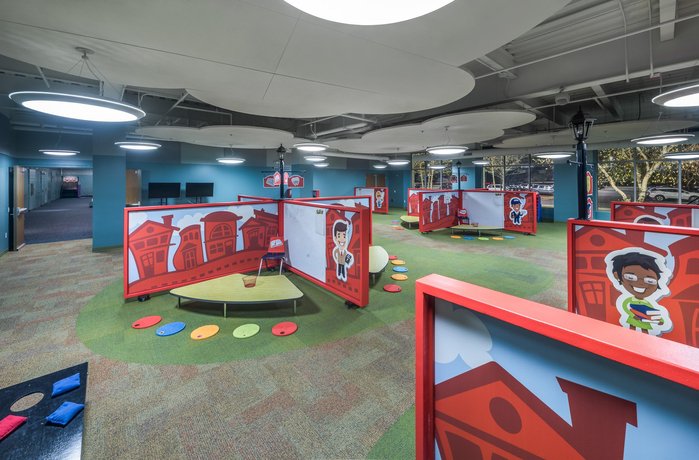
At Eastview Christian Church in Normal, IL, every room is designed with age-appropriate themes and wall graphics that help kids connect with the scriptures they're learning. These environments aren’t just fun; they also encourage friendships and help make lessons stick!
|
|
|
4. Connect with the Community
It's important for churches to create connections with the community outside of church walls. These connections can be formed through multi-purpose spaces used for community events.
Eastview Christian Church needed more space for a growing congregation and community. As a solution, they expanded and renovated current spaces to improve worship, teaching, and recreation venues.
The existing gym was transformed into a dynamic venue for high school worship, performances, and gatherings, and now also serves as a much-needed wedding venue. A new multi-purpose gymnasium provides a worship space for junior high youth as well as a multi-court configuration for various sports events.
|
|
|
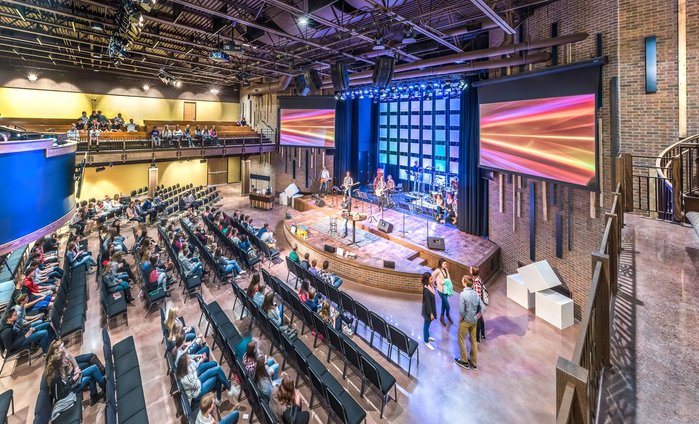
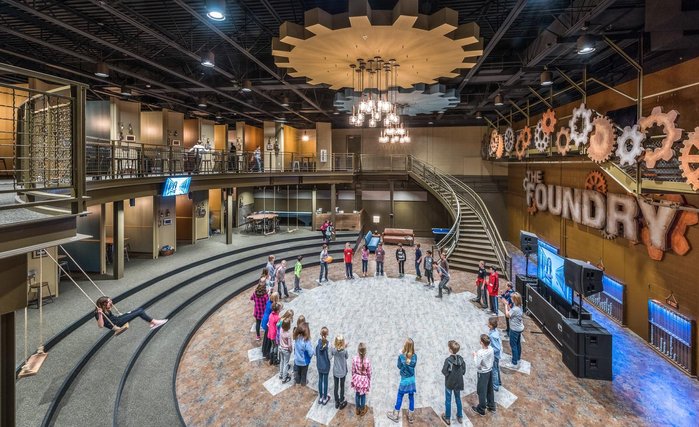
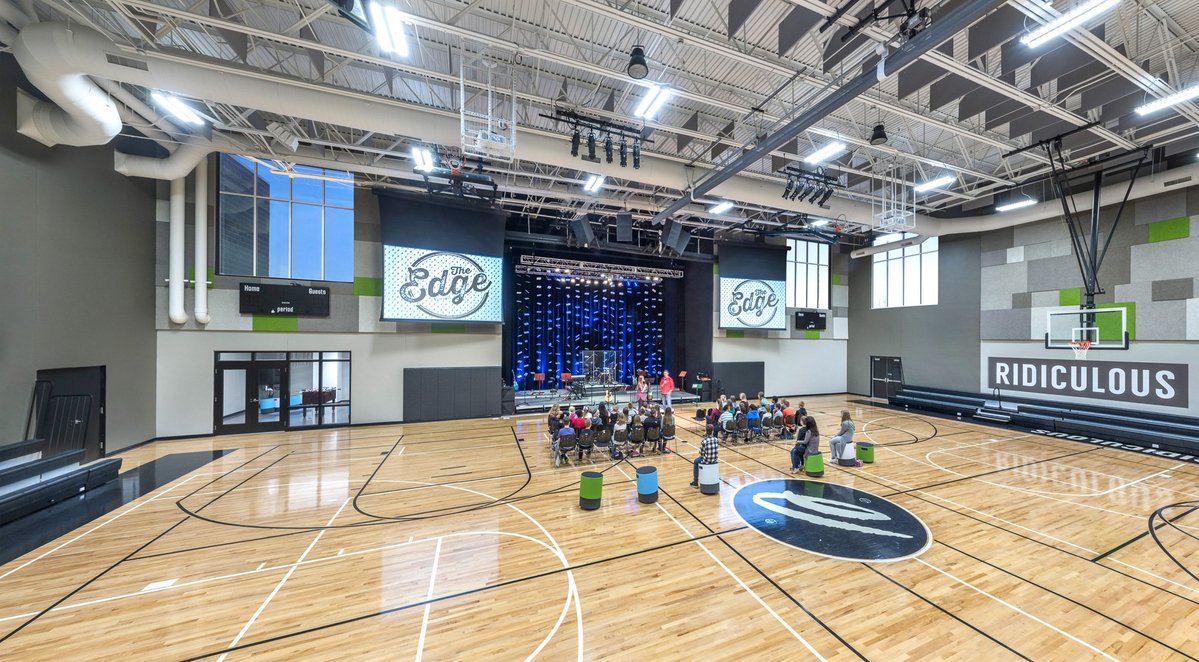
Having multipurpose facilities available to the community offers engaging spaces for families of all ages, while making the church more approachable to those who may have never been to a church before.
Attracting families and growing religious communities through children’s spaces and multipurpose spaces has become a goal for many churches. Are you ready to grow your children's ministry space and community connections?
Have questions? Feel free to connect with Carson Durham anytime!
Principal | Design Lead |
Carson is passionate about crafting meaningful spaces that positively impact his community. His architectural designs draw inspiration from history, nature, technology, and human behavior, reflecting his belief that architecture is a powerful form of human expression. This Georgia native thrives on building lasting client relationships and connecting with diverse individuals, finding joy in the human-centered aspect of his work. |